

Wildfire Home Hardening & Fire-Resistant Building Materials FAQs
Empower yourself with the knowledge of how embers ignite homes and how the right building materials can prevent your home from being engulfed. This FAQ page is designed to answer the most common questions we hear from homeowners, contractors, and community leaders across California, Oregon, and Washington who are preparing for fire season, retrofitting existing homes, or building in WUI zones.
As you explore ways to protect your property, remember that you are taking a proactive step in the right direction.
General Wildfire Defense & Home Hardening
What is home hardening, and why is it important?
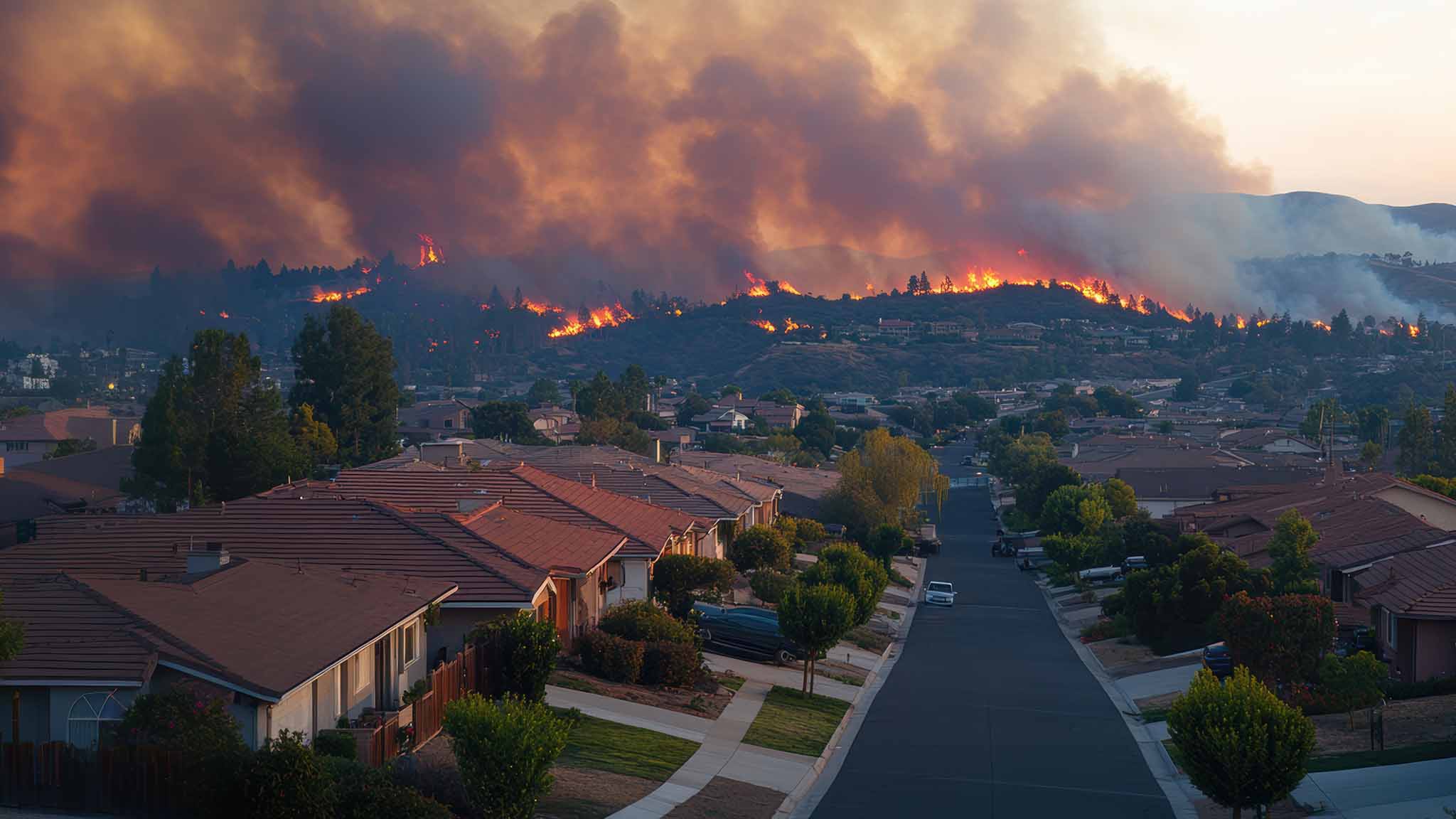
Home hardening refers to using fire-resistant building materials and construction methods that prevent embers, heat, and flames from igniting your home. Up to 90% of home ignitions in wildfires start from wind-blown embers, not direct fire. By reinforcing vents, roofs, gutters, decks, and siding, you dramatically reduce that ignition risk.
What materials are most effective for protecting a home from wildfires?
Look for non-combustible, ignition-resistant, and WUI-compliant materials that are also environmentally friendly. International Wildland-Urban Interface Code (IWUIC) and California Building Code (CBC) recommend 1/8-inch metal mesh for vents and openings in wildfire-prone areas, this is the size that Firestorm uses for its ember mesh products. Examples include ember-resistant vents, wildfire-rated gutter guards, fiber-cement siding, Class A roofing, metal mesh screens, and non-flammable ground covers. These materials not only protect your home but also contribute to a sustainable environment.
Firestorm specializes in ember protection materials that block the primary cause of home ignition.
How does Firestorm Building Products help homeowners prepare for wildfire season?
We provide affordable, code-compliant materials like:
- EmberMesh™: Blocks embers from entering crawl spaces and attic openings.
- Ember Vents™: WUI-approved vent solutions designed to stop ember entry.
- Fire-Rated Gutter Guards: Prevent debris buildup and ember ignition along rooflines.
Our products are DIY-friendly, contractor-ready, and supported with real installation guidance.
What is defensible space, and why does it matter?
Defensible space is the cleared and maintained area around your home that reduces fuel available for fire. It gives firefighters room to work and dramatically slows wildfire spread. Learn more from CAL FIRE: https://www.fire.ca.gov/
How do I start retrofitting an existing home?
Focus on the most vulnerable points first:
- Vents
- Roof and gutters
- Siding and decks
- Under-eave openings
You can phase upgrades over time; no need to do everything at once.
Can home hardening affect my insurance rates?
Yes, many insurance providers now recognize home hardening measures. Some offer discounts for ember resistant vents, defensible space, and Class A roofing. While the initial investment in these materials may seem significant, the potential savings on insurance premiums and the protection they provide make them a cost-effective choice. Documentation matters—take photos and keep receipts.
State-Specific Wildfire Defense Guidance
Serving homeowners in California, Oregon, and Washington, Firestorm supports wildfire resilience across the West.
California
What are California’s home hardening requirements under AB 38?
AB 38 requires sellers in high-risk wildfire zones to disclose and complete certain home hardening steps. This includes upgrading vents, clearing vegetation, and installing ember-resistant materials.
Are Firestorm products WUI-approved?
Yes. Our Ember Vents™ and EmberMesh™ are designed for WUI compliance and meet California wildfire building codes.
Are rebates available for California homeowners?
Programs vary by county. We recommend checking with CAL FIRE and local fire councils.
Oregon
Does Oregon have wildfire-hardening codes for homes?
Yes. Oregon’s wildfire building code applies in designated high-hazard zones and focuses on vents, roof materials, siding, and defensible space.
What products are recommended for Oregon properties?
- Ember-resistant vents for wind-driven ember storms
- Gutter guards to prevent pine needle buildup.
- Ignition-resistant siding for forest and rural areas
Washington
How can Washington homeowners reduce wildfire risk?
Prioritize:
- Cleaning roofs and gutters
- Installing ember-resistant vents in attics and crawl spaces
- Removing fuel around home structures
These steps are especially crucial in Eastern Washington and forest-adjacent communities.
Product & Installation FAQs
What is an ember-resistant vent?
An ember-resistant vent is designed to block embers from entering during wildfires while still allowing airflow. Firestorm’s Ember Vents™ are built for WUI zones and tested to withstand wind-driven ember exposure.
What is EmberMesh™ used for?
EmberMesh™ is a high-strength metal mesh installed over openings like crawl space vents, attic vents, and under-eave gaps to prevent embers from entering.
Do you offer installation guidance?
Yes, we provide step-by-step instructions, video walkthroughs, and contractor referrals. Our goal is to make the installation process as straightforward as possible, ensuring that you can effectively protect your home from wildfires. Explore here: https://firestormbuildingproducts.com/contact-us/
Where can I buy Firestorm products?
Use our Store Locator: https://firestormbuildingproducts.com/store-locator/
Strengthen Your Home’s Wildfire Defense
Home hardening is easier when you start small. Replace one vent. Clear one zone of defensible space. Install Ember Mesh on one opening.
Each improvement increases your home’s resilience.
If you have questions or need help determining where to start, Firestorm is here to help.
Don’t hesitate to contact us today!

