

Fire Resistant Mesh: Protect Your Home from Embers and Wildfires
Wildfires across California, Oregon, and Washington are growing more frequent and more intense. But the greatest threat to homes isn’t always the flames themselves; it’s wind-blown embers. According to the Insurance Institute for Business & Home Safety (IBHS), up to 90% of homes lost in wildfires ignite from embers entering small exterior openings, not from direct fire contact.
These embers can travel miles ahead of a wildfire, settling into attic vents, rooflines, crawlspaces, decks, and gutters, igniting structures from the inside out.
Fire-resistant mesh, also known as ember-resistant mesh, plays a critical role in blocking these embers before they enter your home. When properly installed, it adds an imperative layer of defense to your wildfire protection plan, helping reduce ignition risk and supporting compliance with WUI (Wildland-Urban Interface) building codes.

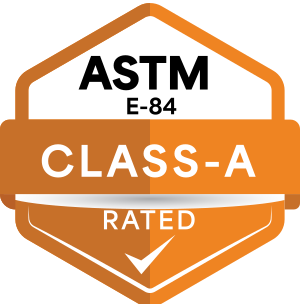
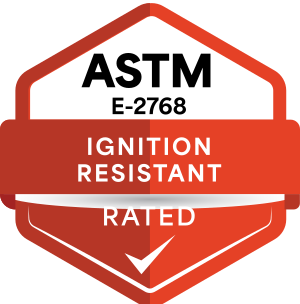
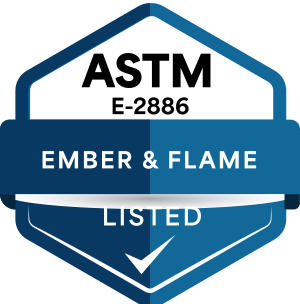
What Is Fire-Resistant Mesh and Why Does It Matter
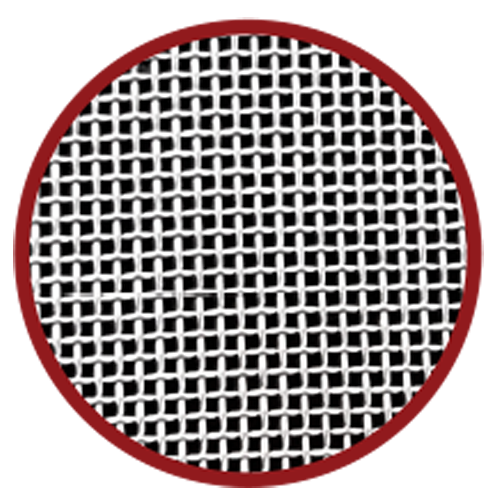
Fire-resistant mesh is a non-combustible metal screening material designed to prevent embers from entering vulnerable openings around the home while still allowing airflow and ventilation.
How It Works
- Embers are small enough to pass through standard screens, but fire-resistant mesh is manufactured with smaller apertures (commonly 1/8″) to block them.
- The metal is heat-resistant, meaning it won’t warp or melt when exposed to radiant heat or embers.
- Its durability ensures long-term defense during high-heat wildfire events.
Regular Screens vs. EmberMesh™
Many homes still have standard insect screen, which often has openings large enough (up to ⅛”–¼”) for embers to pass through. Additionally, common insect-screen materials—especially vinyl or fiberglass—can melt when exposed to radiant heat.
Fire-resistant mesh is different:
- Designed specifically for ember protection, not insect control.
- Made from metal instead of synthetic materials.
- Sized to meet or exceed WUI and California building code requirements.
Firestorm specializes in ember-resistant building materials designed to make wildfire defense simple, affordable, and accessible, particularly for homeowners who choose to DIY their home hardening projects.
How Fire Resistant Mesh Protects Your Home During Wildfires
During a wildfire, embers can accumulate in hidden or hard-to-see places. All it takes is one ember finding dry debris or exposed wood to ignite a structure.
Key ember entry points include:
- Attic and crawlspace vents
- Open eaves and soffits
- Deck undersides
- Rooflines and gutters
EmberMesh™ is engineered to:
- Block embers while maintaining airflow for building ventilation.
- Resist high temperatures and direct contact with embers.
- Prevent debris accumulation in sheltered, hard-to-access areas.
In wildfire-prone regions like California, Oregon, and Washington, EmberMesh™ is now considered a critical component of modern home hardening systems.
Key Areas for Installing Fire-Resistant Mesh
Attic and Roof Vents
Attic vents are one of the most common ignition points. Installing ember-resistant mesh behind vent covers helps shield attic insulation and stored items from ember intrusion.
Eaves and Soffits
Eaves create natural “ember catch zones.” Mesh allows airflow while preventing embers from collecting in protected cavities.
Gutters and Rooflines
When gutters fill with leaves, pine needles, and other debris, embers that land in them can ignite the roof within minutes. Mesh can be used in conjunction with fire-rated gutter guards to eliminate this risk.
Subfloors and Deck Undersides
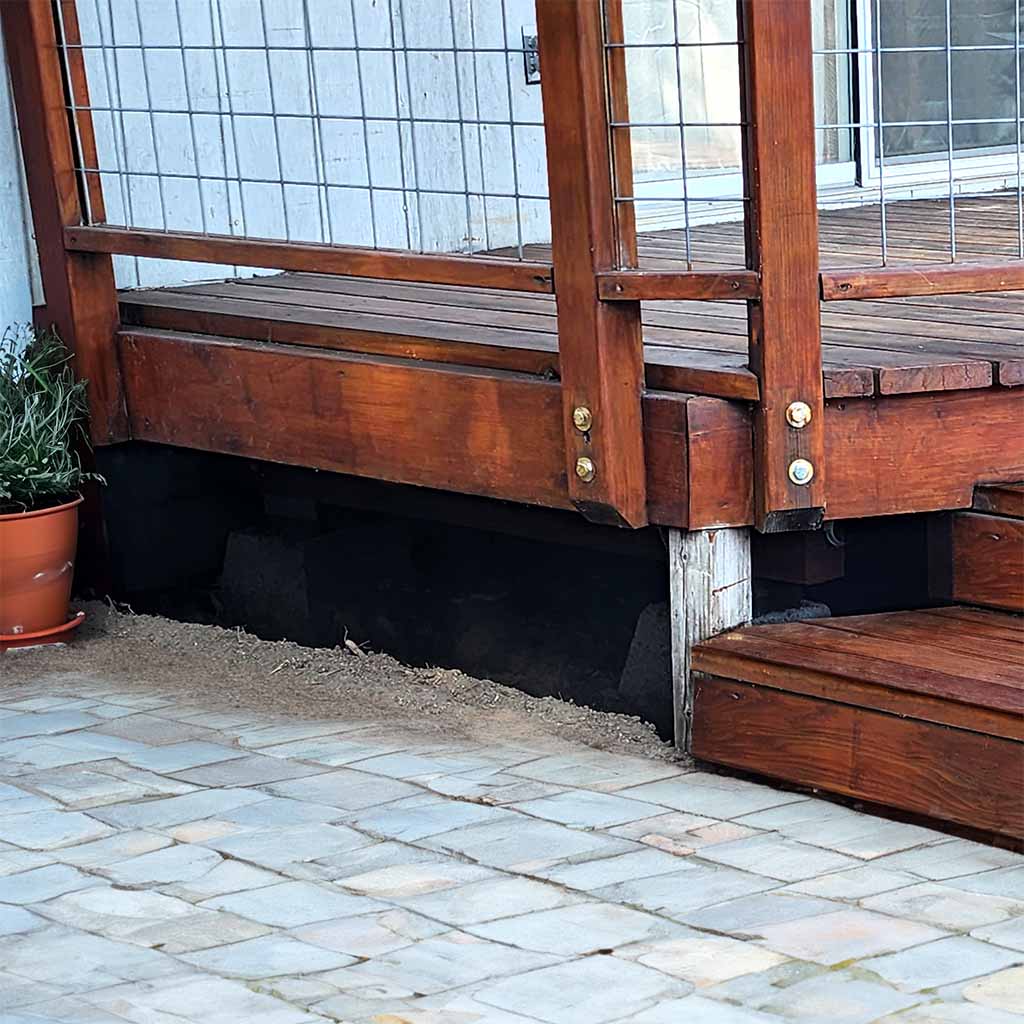
Decks often trap embers beneath boards. Screening the underside with ember-mesh blocks embers and prevents debris buildup.
If you’re unsure where to begin, start with the upper structure (roof, vents, gutters). These are typically the highest-risk zones.
EmberMesh™ Installation Guide
Fire-resistant mesh is designed for DIY installation, empowering homeowners to take control of their home’s safety. With the right tools and guidance, correct installation is not only manageable but also a rewarding task that enhances your home’s protection.
Before You Begin
Inspect your home for vulnerable openings such as vents, gaps, soffit spacing, and under-deck areas.
Tools and Materials
- Tin snips
- Drill or staple gun
- Exterior-rated screws or staples
- Safety gloves and goggles
- Ladder
Basic Installation Steps
- Measure the area where the mesh will be placed.
- Cut mesh to fit securely without gaps.
- Attach mesh with screws or staples, ensuring tight contact with framing.
- Seal or reinforce edges where needed to prevent ember entry.
- Verify ventilation needs are still met to prevent moisture issues.
Learn more about detailed Ember Mesh product specifications and sizing.
Meeting State Wildfire Standards and WUI Compliance
California, Oregon, and Washington all require or recommend ember-resistant construction materials in designated wildfire zones.
Standards often reference:
- California Building Code Chapter 7A
- Wildland-Urban Interface (WUI) regulations
- NFPA guidance
- IBHS Wildfire Prepared Home™ recommendations
Fire-resistant mesh is commonly listed as a required or approved measure for:
- Vents
- Eaves
- Soffit enclosures
- Crawlspaces
- Under-deck protections
To learn more about state and regional wildfire codes, visit: CAL FIRE Wildfire Prevention.
Ember Mesh™ is engineered to help meet these requirements while remaining easy to install and long-lasting.
Comparing Fire-Resistant Mesh with Other Materials
| Feature | Standard Screen | Solid Metal Cover | Fire-Resistant Ember Mesh |
| Ember Blocking | Low | High | High |
| Maintains Ventilation | High | Low | High |
| Heat Resistant | Low | High | High |
| WUI Compliant | Rarely | Sometimes | Yes |
| Cost-Effective | Yes | No | Yes |
Ember mesh offers the best balance of airflow, protection, code compliance, and cost, making it a top choice for homeowners and contractors alike.
Costs, Benefits, and Long-Term Value
Fire-resistant mesh is not just a one-time solution, but a long-term investment in your home’s safety. It’s one of the most cost-effective wildfire home upgrades available, providing substantial ignition protection and reducing long-term home hardening costs. This long-term value ensures your home’s safety and your peace of mind.
Fire-resistant mesh is one of the most cost-effective wildfire home upgrades available. By choosing Ember Mesh, you’re making a smart financial decision that provides high-impact protection at a low cost, demonstrating your financial savvy and responsibility.
Benefits include:
- Reduced Wildfire Ignition Risk: Fire-resistant mesh helps block wind-driven embers—the leading cause of home ignition during wildfires—from entering attic vents, eaves, rooflines, and under-deck areas. By eliminating these ember entry points, mesh significantly lowers the chance of fire taking hold on or within the structure.
- Improved Insurance Eligibility and Policy Stability: Insurance carriers across California, Oregon, and Washington increasingly require documented home hardening measures for coverage. Installing Ember Mesh can strengthen your eligibility for new policies, support renewal in high-risk locations, and help reduce premium volatility over time.
- Lower Long-Term Home Hardening Costs: Compared to large-scale retrofits like replacing roofs, siding, windows, or decks, ember mesh is a low-cost, high-impact upgrade. The material is durable, corrosion-resistant, and built for long service life, providing ongoing protection without frequent replacement or heavy maintenance.
- Increased Property Resilience and Community Protection: A single hardened home is important, but when multiple homes in a neighborhood are protected, the entire community becomes more resilient. Reducing ignition points decreases the likelihood of structure-to-structure spread, which is a major factor in large neighborhood fire losses.
Compared to full exterior retrofits, ember mesh requires minimal material and labor costs while providing substantial ignition protection.
Why Choose Ember Mesh™
Firestorm has been a trusted partner in wildfire defense for 17+ years, serving homeowners, contractors, and retailers across the Western U.S.
EmberMesh™ is:
- WUI-compliant and tested for high-heat exposure
- Durable and corrosion-resistant
- Designed for DIY installation
- Compatible with vents, decks, eaves, rooflines, crawlspaces, and more
Explore the full EmberMesh™ product details.
Ready to Protect Your Home?
Versatile Solutions for New Construction and Retrofits
Don’t wait for the next wildfire season. Start your home hardening project today to protect your home and loved ones. With EmberMesh™, you can take a significant step towards enhancing your home’s resilience against wildfires.
Frequently Asked Questions
What is fire-resistant mesh made of?
Typically stainless steel or galvanized steel, designed to withstand radiant heat and ember exposure.
Is Ember Mesh required by code?
In many WUI zones, ember-resistant vent screening is required or strongly recommended to meet compliance.
Can I install Ember Mesh myself?
Yes, EmberMesh™ is designed for DIY or contractor installation using basic tools.
How often should mesh be inspected?
Regular inspection is a key part of maintaining your home’s safety. Check your fire-resistant mesh at least twice a year, especially after high winds, heavy rain, or wildfire smoke events. This proactive approach will help ensure your home is always prepared for potential wildfire threats.
Let’s Build a Safer Future!
Give us a call or submit your information via the form and a team member will get back to you.


