

Fire Resistant Vents: Defend Your Home from Embers and Wildfires
Wildfires across the Western United States are becoming more frequent, more intense, and more wind-driven. But despite the dramatic images of flames on the horizon, the most dangerous threat to homes isn’t always direct fire; it’s embers. Research from IBHS shows that up to 90% of homes lost in wildfires ignite from wind-blown embers that travel miles ahead of the fire front.
One of the primary entry points for these embers? Vents.
Attic vents, crawl space vents, and soffit vents are essential for airflow, but during a wildfire, they can become open doors for burning debris. Fire-resistant vents are designed to reliably stop that intrusion, giving homeowners and professionals peace of mind while maintaining ventilation.
EmberVent™ are engineered specifically for these conditions. Built to meet and exceed WUI standards in California, Oregon, Washington, Colorado, and Texas, our vent systems provide a reliable, code-compliant line of defense for homeowners and building professionals.
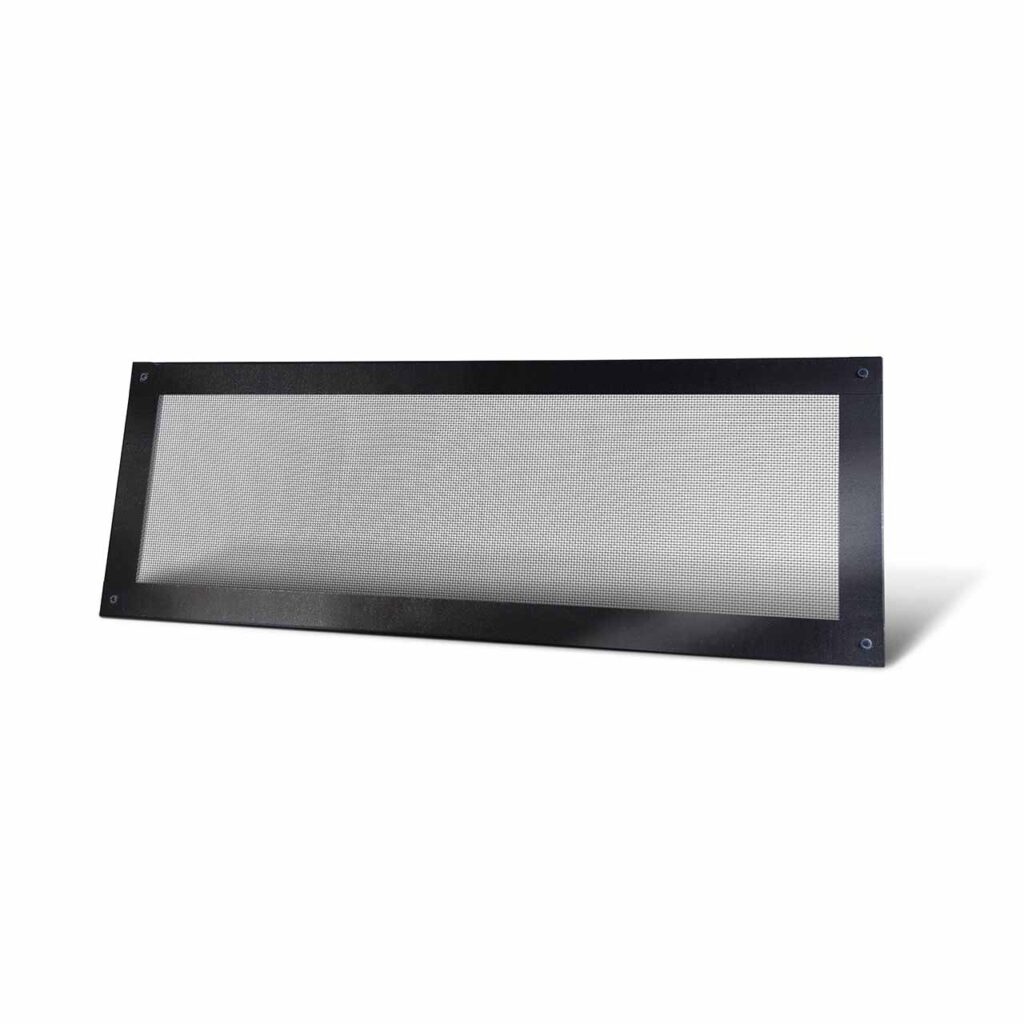
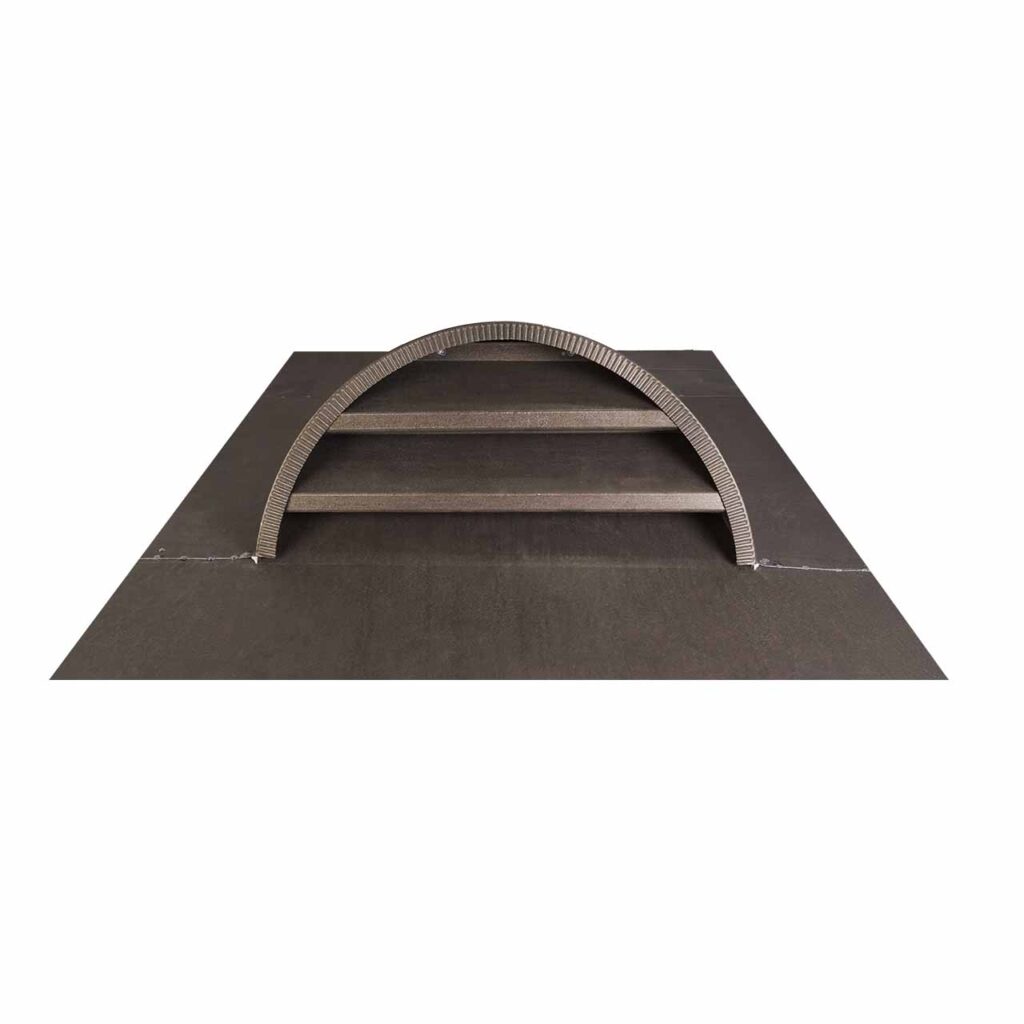
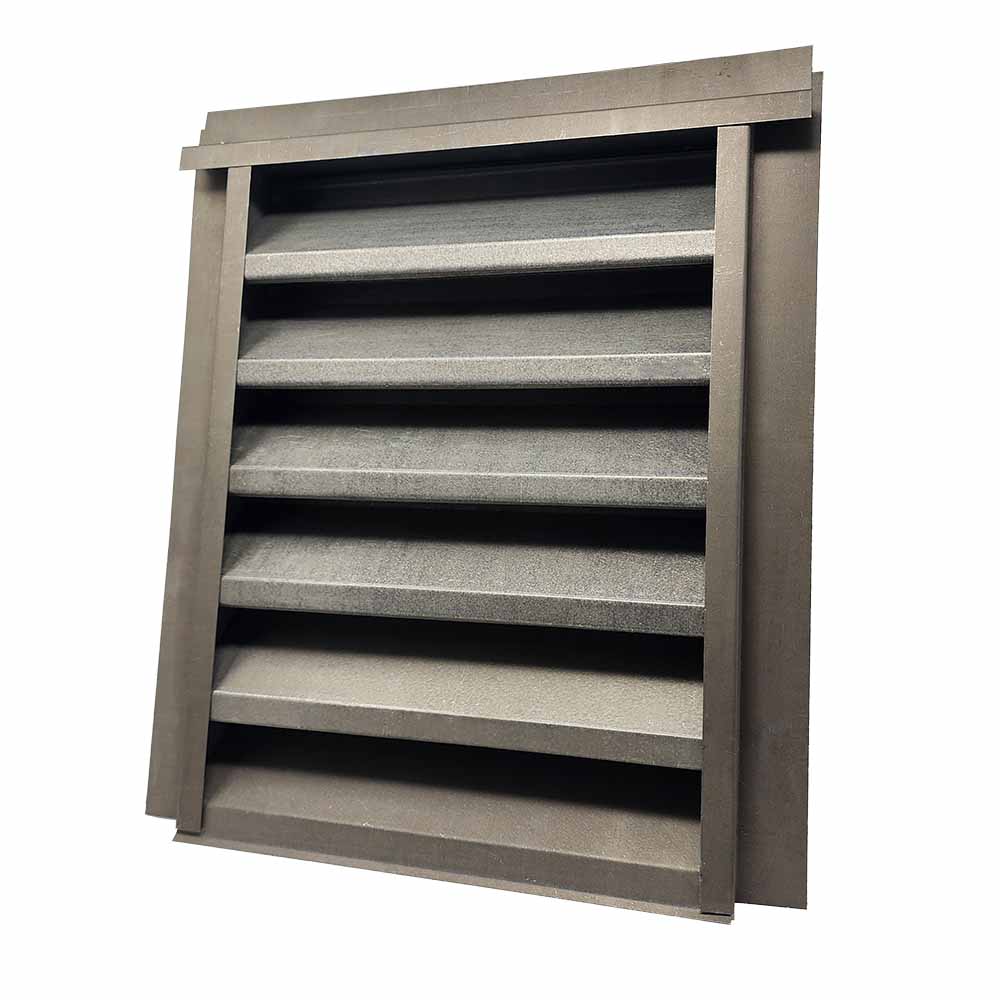
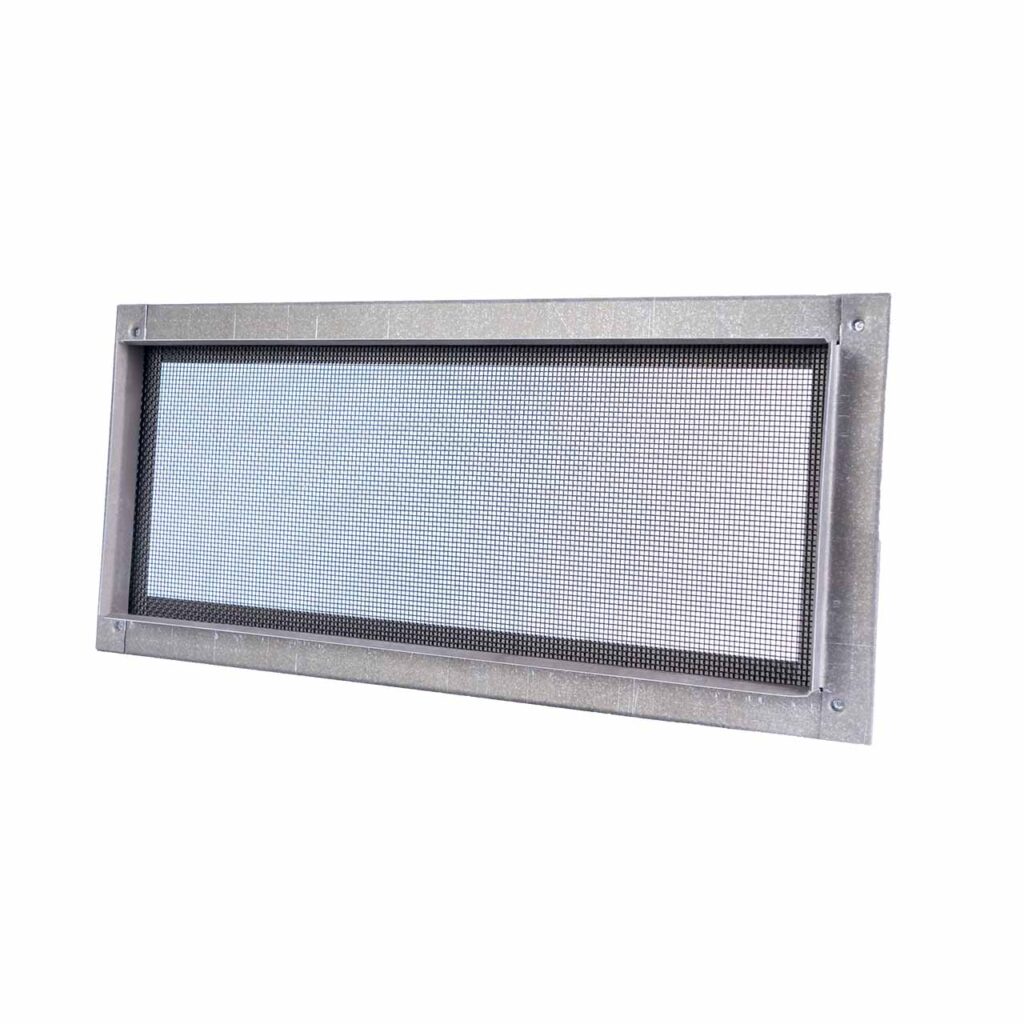

What Are Fire-Resistant Vents and Why Do They Matter?
Fire-resistant vents—also called ember resistant vents, ember-proof vents, or wildfire-rated vents—are specialized openings built to block embers from entering attics, eaves, and crawl spaces.
How Fire-Resistant Vents Work
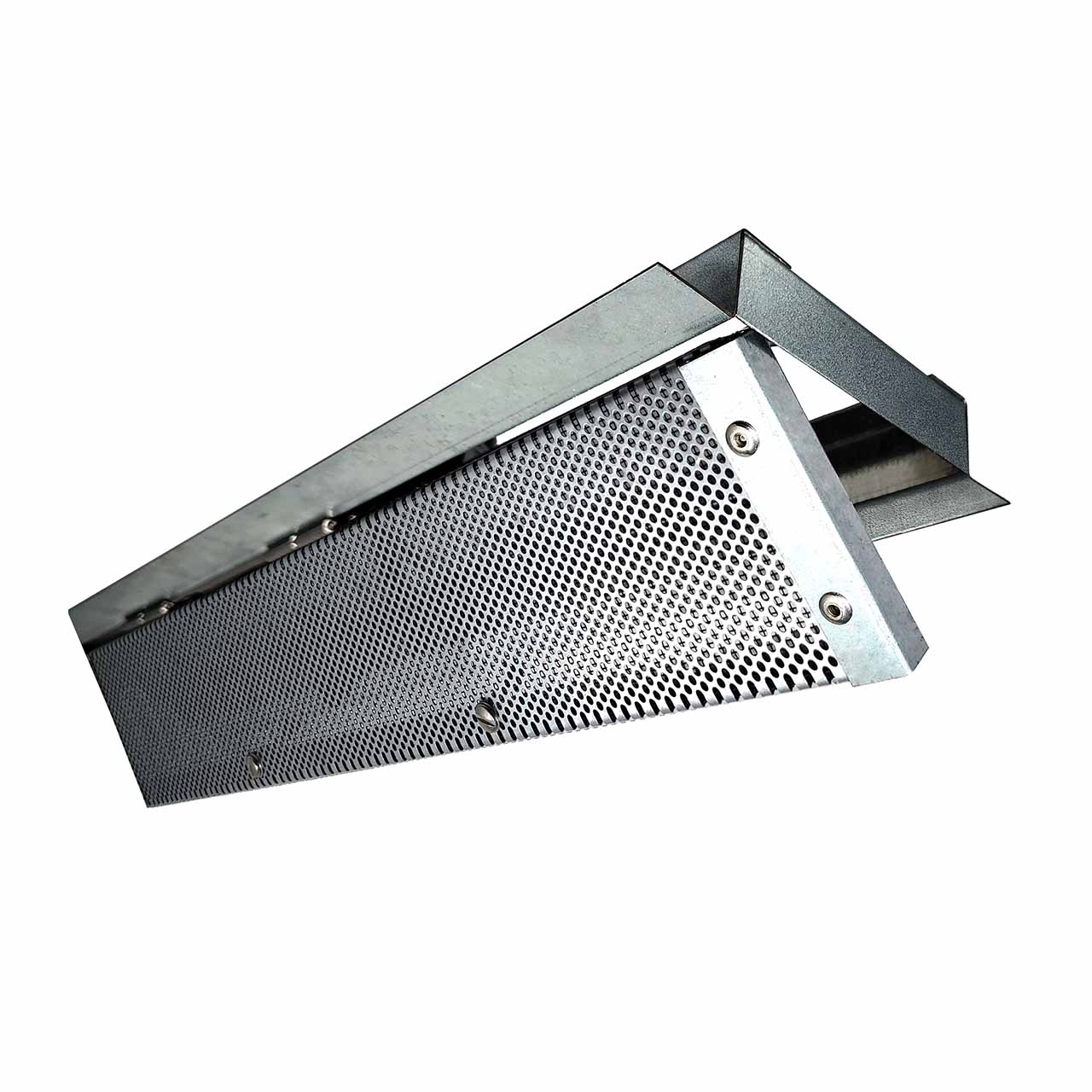
Fire-resistant vents are engineered with fine, fire-rated metal mesh, internal baffle systems, and high-temperature materials that work together to block embers before they enter a home’s ventilation pathways.
This mesh is designed to stop wind-driven embers and flaming debris while still maintaining the airflow required to keep attics, eaves, and crawl spaces dry and properly ventilated.
Because the materials are built to withstand heat exposure during wildfire conditions, these vents continue performing even under extreme temperatures. Their design aligns with Wildland–Urban Interface (WUI) requirements, ensuring that homes meet the standards set for wildfire-prone regions.
Why Standard Vents Fail
Most traditional vents were never designed with wildfire conditions in mind. They typically rely on large, lightweight screens—often with openings wider than 1/4 inch—that provide little resistance against ember intrusion.
Under high heat, these screens can warp or melt, creating even larger gaps. As embers enter through these openings, they can ignite insulation, roof sheathing, or wall cavities, effectively bypassing exterior defenses.
This is how many homes ignite from the inside out during a wildfire, even when flames never reach the structure.
Firestorm’s Innovation
EmberVent™ combine 1/8-inch fire-rated mesh, high-temperature metals, and WUI-approved design standards to deliver dependable, long-lasting protection that homeowners and professionals can rely on without compromising ventilation.
How Fire-Resistant Vents Protect Homes During Wildfires
During a wildfire, embers can travel at high speeds and settle wherever the wind carries them. Unlike flames, embers do not need contact with the main fire front to start home ignition; they simply need an opening.
Wind-Driven Embers Are the Primary Threat
CAL FIRE and IBHS both identify embers as the leading cause of home destruction. These embers can:
- Penetrate ventilation screens
- Ignite attic insulation
- Lodge in wooden soffits
- Start fires beneath homes through foundation vents
How Ember-Resistant Vents Stop Ignition
Fire-resistant vents act as a physical barrier, preventing embers from entering a structure while still allowing the airflow that homes need to remain safe and mold-free.
EmberVent™ are tested to withstand:
- Radiant heat
- Direct ember exposure
- High wind pressure
They meet or exceed wildfire safety recommendations from:
- NFPA ember-resistant construction guidelines
- IBHS Wildfire Prepared Home™
- CAL FIRE
Key Areas for Installing Fire-Resistant Vents
Not every vent in a home is equally vulnerable. Wildfire research identifies three zones where ember-resistant vents are essential.
Attic Vents
Attic vents are prime targets because embers can ignite insulation or roof sheathing. Protecting these vents significantly reduces the risk of structural ignition.
Soffit and Eave Vents
Soffits experience heavy ember exposure due to wind eddies that push embers upward. Using ember-resistant soffit vents maintains ventilation while preventing ember entry.
Foundation and Crawl Space Vents
Ground-level vents allow embers to enter crawl spaces or ignite debris beneath decks. Fire-resistant foundation vents reduce this often-hidden risk.
Fire-resistant venting systems provide a complete shield across all ventilation points.
Ember Vent Installation and Maintenance Guide
Installing ember-resistant vents is a straightforward process for builders, contractors, and skilled DIY homeowners. Proper installation ensures both compliance and performance.
Preparation & Tools
- Ladder
- Drill or screwdriver
- Exterior-grade screws
- Safety gloves and goggles
- Caulking or fire-resistant sealant (if needed)
Installation Steps
- Remove existing vents and inspect the framing.
- Fit the fire-resistant vent into place, ensuring a tight and secure seal.
- Fasten with screws, making sure the vent sits flush.
- Seal around edges as needed to eliminate gaps.
- Inspect for airflow to maintain ventilation integrity.
Maintenance Tips
- Inspect vents twice per year.
- Clear debris after high wind events
- Check for damage or corrosion.
- Replace vents that no longer sit flush or have warped mesh
Learn more or find a Firestorm store to get Ember Vents™.
Meeting WUI and State Fire Standards
Homes in wildfire-prone regions must meet specific building code requirements.
Fire-resistant vents help meet:
- California Chapter 7A WUI code
- Oregon and Washington wildland building standards
- Colorado Wildfire-Resilient Construction Guidelines
- Texas wildfire building recommendations
- NFPA ember-resistant vent requirements
EmberVent™ are engineered to align with:
- CAL FIRE requirements
- State Fire Marshal guidance
- IBHS Wildfire Prepared Home™ vent recommendations
Learn more from CAL FIRE’s official wildfire prevention site.
Fire Resistant Vents vs. Standard Vents
Not all vents are created equal. Here’s how traditional designs compare to ember-resistant vents.
Standard Vents
- Often use 1/4-inch screens or wider.
- Allow ember intrusion.
- Can melt, warp, or deform under high heat.
- Provide no ember guard system.
- Fail to meet WUI requirements.
Fire Resistant Vents
- Use 1/8-inch fire-rated mesh.
- Built from high-temperature metals.
- Block embers while maintaining airflow.
- Reduce insurance risk and increase home resilience.
- They are required or recommended in many wildfire zones.
EmberVent™ also offer long-term durability, corrosion resistance, and compatibility with retrofits and new construction.
Cost, Benefits, and Long-Term Protection
Fire-resistant vents provide exceptional value because they protect one of the most vulnerable parts of a home for a fraction of the cost of full exterior retrofits.
Typical Cost Range
Fire-resistant vents generally range from $40–$100+ per vent, depending on size and design.
Key Benefits
- Reduced wildfire ignition risk
- Increased insurance eligibility
- Long-term WUI compliance
- Durable materials that withstand heat and corrosion
- Improved safety for attics, eaves, and crawl spaces
These vents are considered one of the highest-impact, lowest-cost home hardening upgrades available.
Why Choose EmberVent™
Firestorm has spent more than 17 years helping communities throughout California, Oregon, Washington, Colorado, and Texas strengthen their homes through accessible, code-compliant ember defense products.
What Makes Our Ember Vents™ Different
- Field-tested in real wildfire conditions
- Built with durable, WUI-compliant materials
- Easy installation for contractors and DIY homeowners
- Supported by IBHS, CAL FIRE, and State Fire Marshal guidance
- Proven performance in ember storms
Firestorm combines technical expertise with a commitment to community resilience, helping homeowners feel confident in their wildfire protection investments.Explore our Ember Vents™ page to get started.product details.
Fortify Your Home Against Wildfires
Versatile Solutions for New Construction and Retrofits
Fire-resistant vents are one of the most effective home hardening measures you can install and one of the easiest to get started with.
Take the next step in wildfire protection:
Request SupportFirestorm is here to help you protect your home, your neighborhood, and your peace of mind.
Frequently Asked Questions About Fire-Resistant Vents
How do ember-resistant vents work?
They use fine, fire-rated mesh and a heat-resistant design to block embers while allowing ventilation.
Are fire-resistant vents mandatory in wildfire zones?
In many WUI regions, yes. States like California require vents that meet specific ember-resistant standards.
Can I retrofit existing vents?
Yes. Many homeowners seek to upgrade their existing attic and eave vents with WUI-compliant, fire-resistant options like EmberVent™ to enhance home safety without full reconstruction.
What’s the lifespan of ember vents?
High-quality vents like EmberVent™ are designed for multi-decade performance with minimal maintenance, providing long-term protection and peace of mind for homeowners and professionals alike.
Do vents reduce airflow?
Properly engineered to meet wildfire safety standards, EmberVent™ maintain essential airflow and ventilation, ensuring homes stay safe and well-ventilated during wildfire season.
Let’s Build a Safer Future!
Give us a call or submit your information via the form and a team member will get back to you.

Phone
(916) 652-7424

Hours
Mon. – Fri. 8AM – 4PM Pacific Time


