

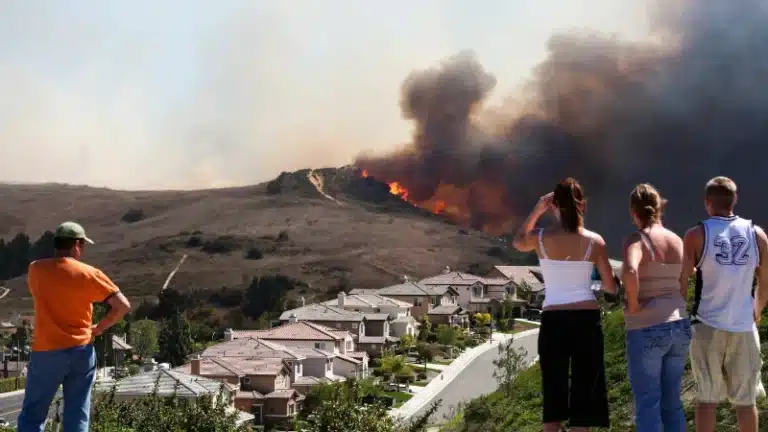
California Wildfire Risk: What Homeowners Should Know Now
California wildfire risk is shaped by weather, terrain, vegetation, embers, building materials, and maintenance. Learn how home hardening and wildfire vents fit together.
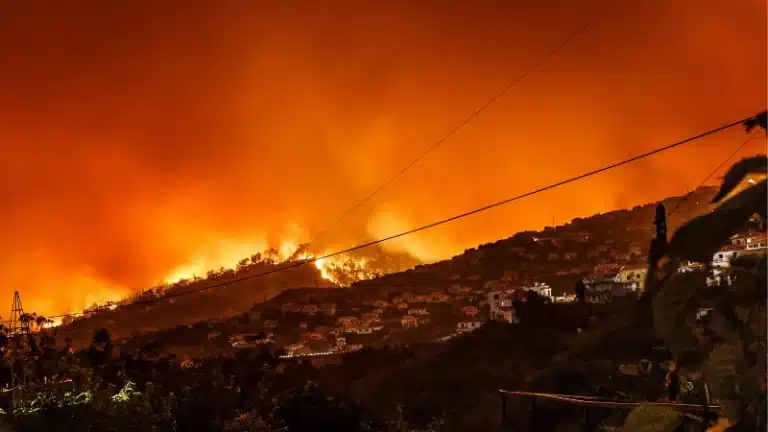
Navigating Home Insurance in California High-Wildfire-Hazard Areas
Homeowners in California wildfire-prone areas need clear insurance records, careful policy review, and practical home hardening steps that reduce physical vulnerability.

Private Insurance vs. the California FAIR Plan for Wildfire Areas
Private insurance and the California FAIR Plan serve different roles for California property owners in wildfire-prone areas. Learn how coverage, limitations, and mitigation fit together.
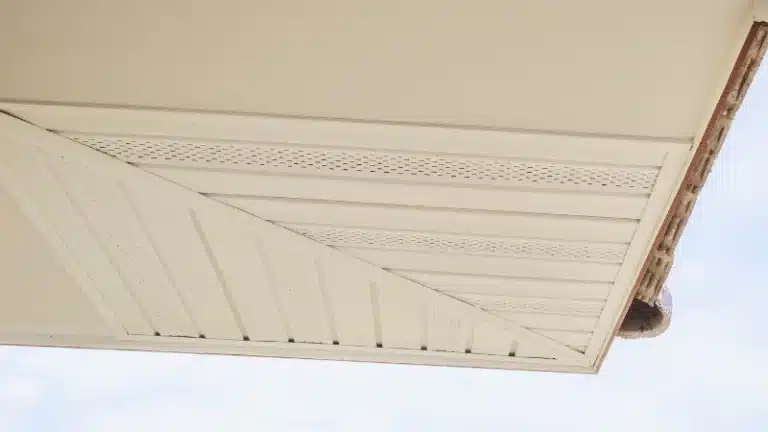
Why Wildfire Vents Matter in Wildfire-Prone Areas
Wildfire vents help protect vulnerable attic, crawl space, and wall openings from wind-driven embers, heat, and flame exposure while supporting required airflow.
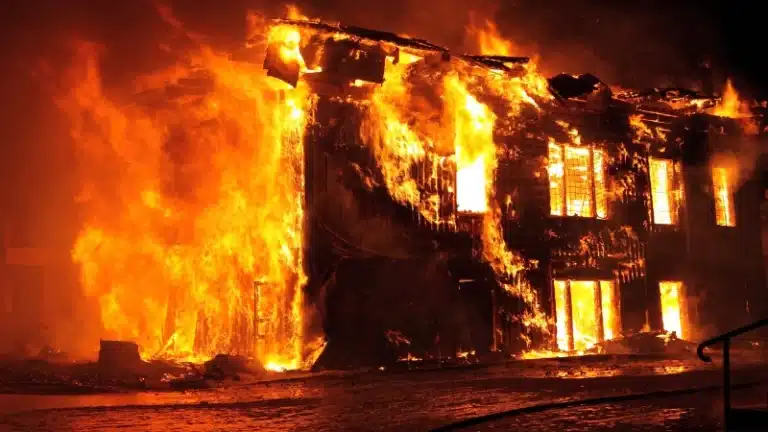
Is Your Home Prepared for a Wildfire Ember Storm?
A wildfire ember storm can expose vents, roofs, gutters, decks, and Zone 0 before flames arrive. Learn how home hardening reduces vulnerable ignition pathways.
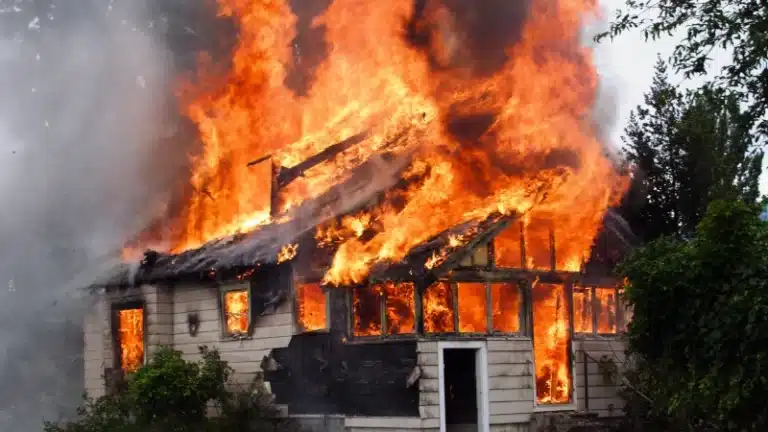
Wildfire Insurance in California: What Homeowners Should Understand
Wildfire insurance in California depends on policy terms, insurer review, FAIR Plan options, and documentation. Home hardening supports risk reduction, while final insurance outcomes depend on policy terms and insurer review.
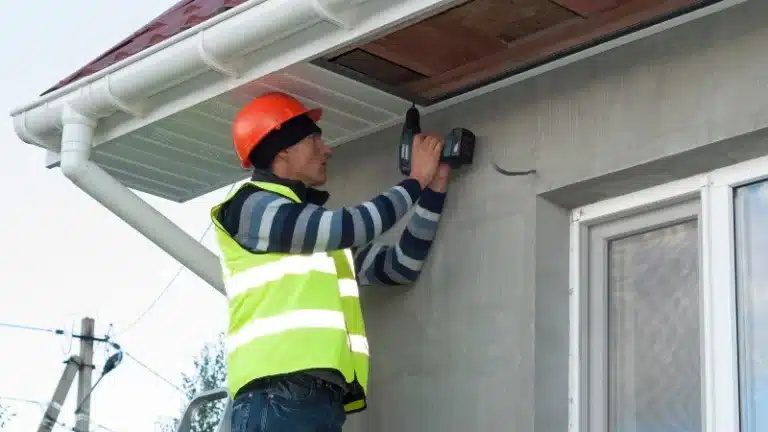
Hot Attic? How Soffit and Eave Vents Support Ventilation
Soffit and eave vents support attic intake airflow, moisture control, and roof performance. In wildfire areas, vent selection should also address ember exposure.
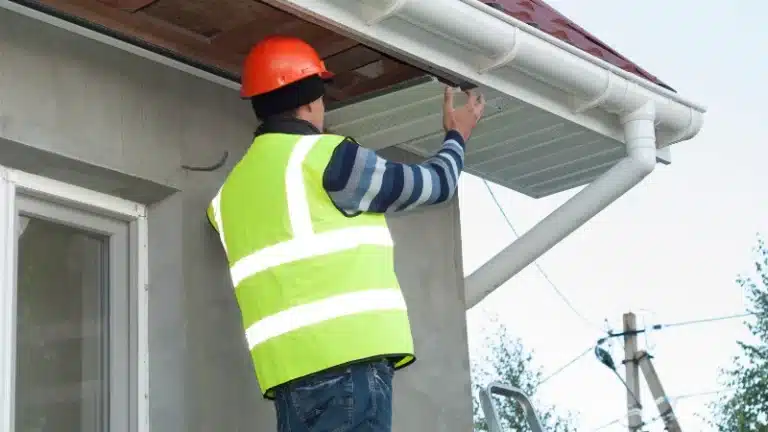
Removable Soffit Vents and Balcony Inspection Access in California
Removable soffit and balcony inspection vents can support access to concealed exterior elevated elements when California balcony inspection requirements apply.
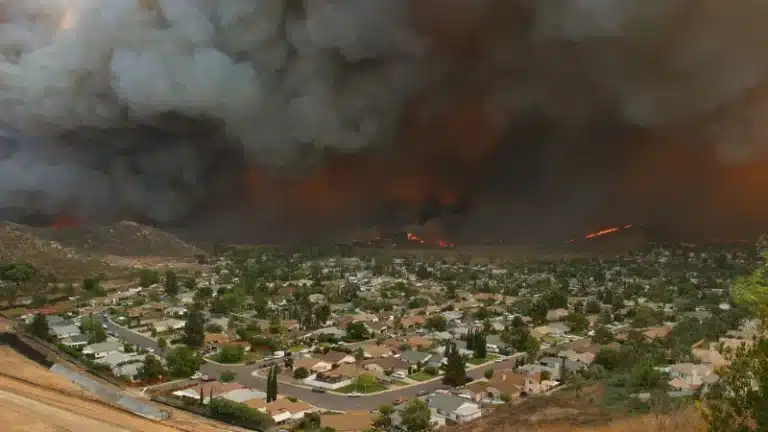
California Home Insurance Pressure and Wildfire Home Hardening
California homeowners facing wildfire insurance pressure can use home hardening documentation, defensible space, and ember-resistant vents as part of risk reduction conversations.
