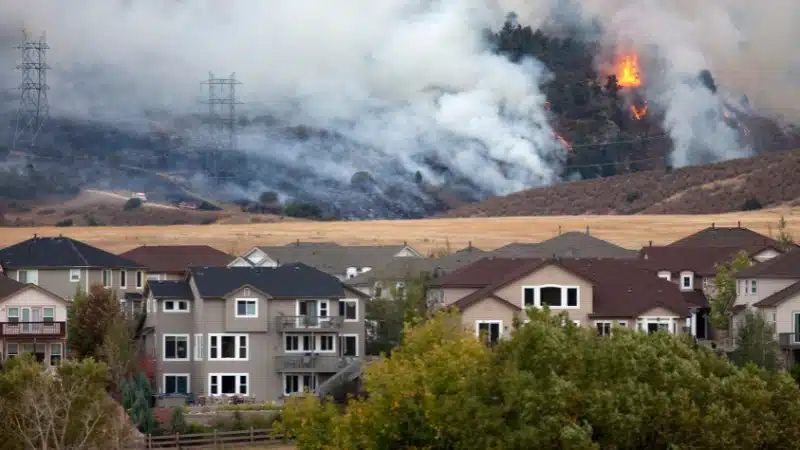
Spring gives homeowners time to inspect vents, clear fuels, plan repairs, and harden the home before peak wildfire weather and contractor schedules tighten.


Spring gives homeowners time to inspect vents, clear fuels, plan repairs, and harden the home before peak wildfire weather and contractor schedules tighten.

Homeowners in the wildland urban interface need layered fire safety strategies: defensible space, home hardening, ember-resistant vents, maintenance, and evacuation planning.

Wildfire insurance gaps can leave homeowners underprepared. Review rebuilding limits, exclusions, FAIR Plan differences, documentation, and mitigation records.
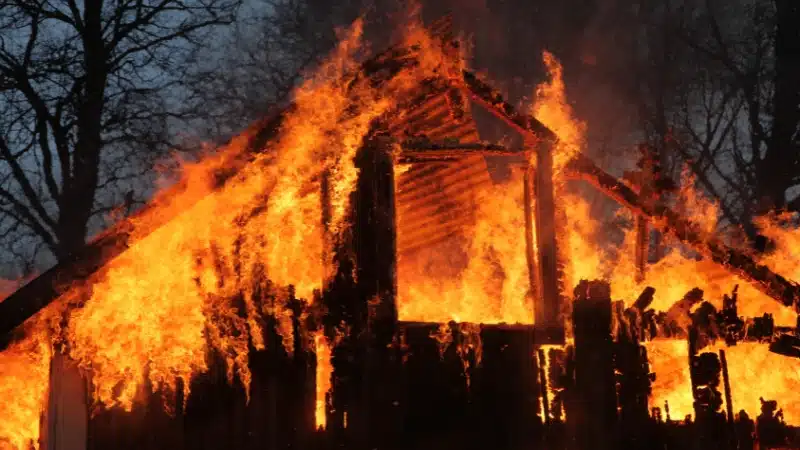
Learn the wildfire warning signs California homeowners should monitor, from Red Flag Warnings and dry fuels to ember exposure and home hardening priorities.
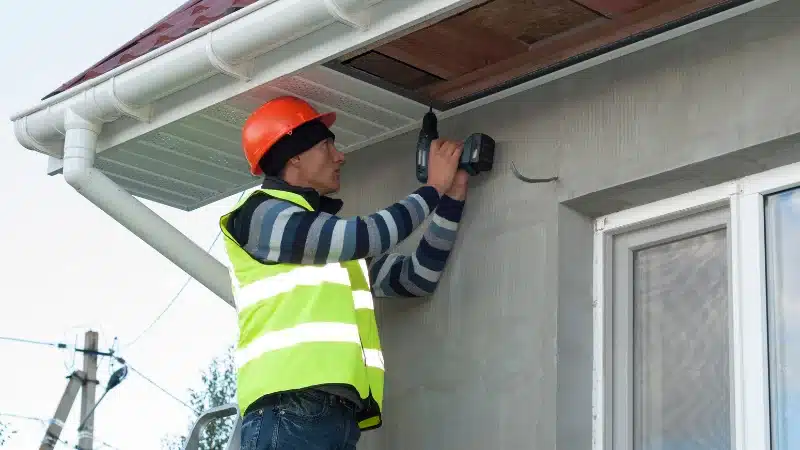
Soffit and eave vents support attic intake airflow, moisture control, and roof performance. In wildfire areas, vent selection should also address ember exposure.
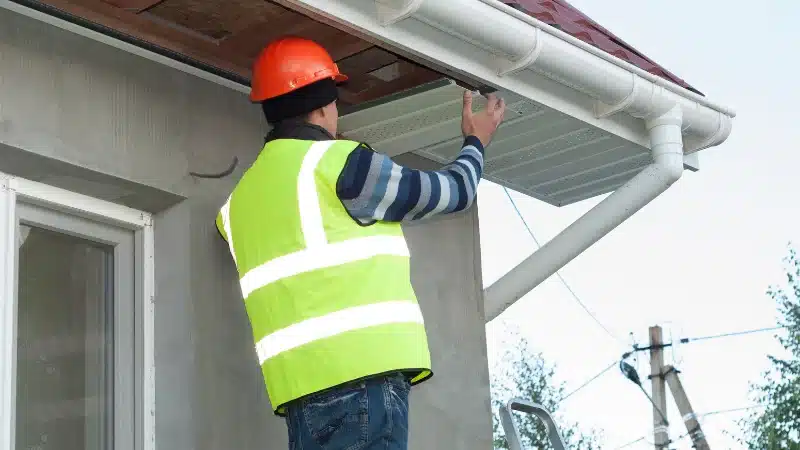
Removable soffit and balcony inspection vents can support access to concealed exterior elevated elements when California balcony inspection requirements apply.
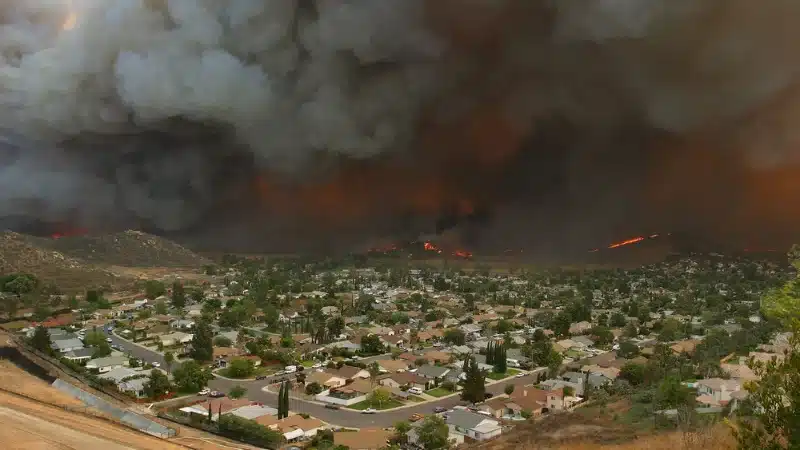
California homeowners facing wildfire insurance pressure can use home hardening documentation, defensible space, and ember-resistant vents as part of risk reduction conversations.
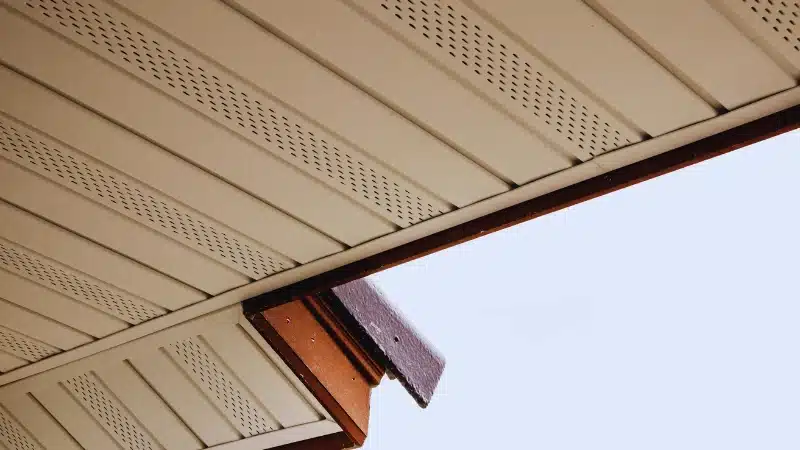
Soffit vents support attic ventilation and wildfire home hardening, but insurance outcomes depend on policy rules, documentation, and insurer review.
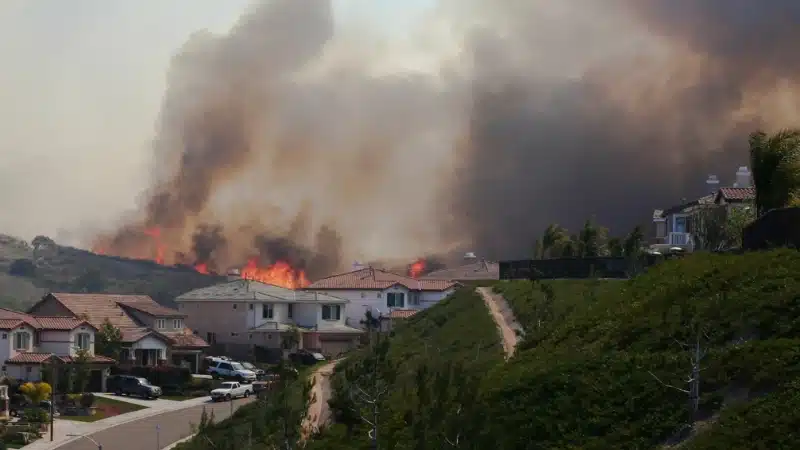
Prepare before California wildfire season with evacuation planning, defensible space, vent checks, smoke readiness, go bags, and regular home hardening maintenance.
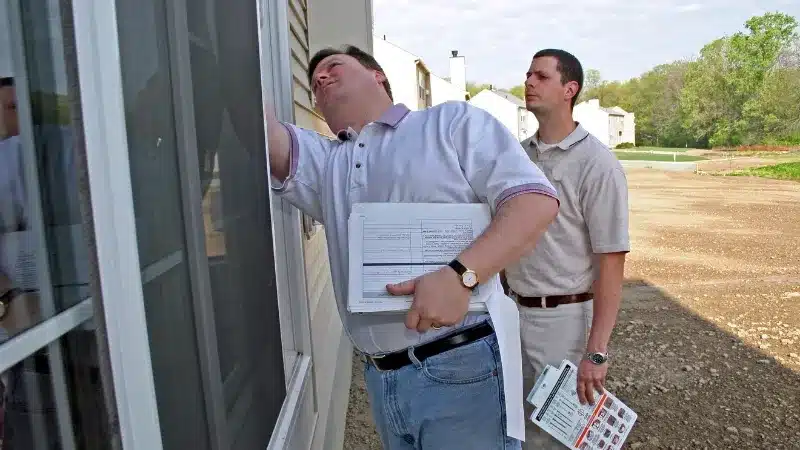
California balcony inspection deadlines differ by property type. SB 326 inspections were due by January 1, 2025, while SB 721 inspections are due by January 1, 2026.
