

A recent New Yorker article, “A New Paradigm for Protecting Homes from Disastrous Fires,” does an excellent job explaining how wildfires are changing and how traditional ideas about fire protection need to evolve. One of its strongest points is also one wildfire safety experts have been emphasizing for years: most homes don’t burn because flames reach them. They burn because embers get inside.
Where the conversation falls short is in what homeowners can realistically do next and how affordable and effective home hardening can be when it focuses on the right ignition pathways.
Let’s break down what the article gets right, what it leaves out, and how homeowners can take practical, budget-friendly steps to reduce wildfire risk today.
What the New Yorker Got Right
Ember Intrusion Is the Real Threat
Wildfire researchers, including the Insurance Institute for Business & Home Safety (IBHS) and CAL FIRE, consistently find that wind-blown embers are the leading cause of home ignition during wildfires. Embers can travel long distances ahead of the main fire, landing on roofs, entering vents, collecting under decks, and igniting debris in gutters.
This is why wildfire protection isn’t just about fire trucks or clearing trees; it’s about blocking the small openings that allow embers to turn a home into fuel.
Science-Based Home Hardening Works
The article also correctly highlights that simple construction upgrades can drastically reduce ignition risk. Research shows that when vulnerable features—such as vents, eaves, decks, and roof edges—are protected, homes are far more likely to survive even when surrounding structures burn.
This is the foundation of modern wildfire safety: not fighting fire, but designing homes that resist ignition in the first place.
Community-Level Protection Matters
Another point the article emphasizes is that neighborhoods are stronger when many homes are hardened, not just one. When ignition risk drops across multiple properties, structure-to-structure fire spread decreases, and firefighters have a better chance of protecting entire communities.
Firestorm® strongly supports this approach. Wildfire resilience grows when neighbors harden homes together.
What the Article Missed: Cost Is the Biggest Barrier
Where many wildfire discussions lose momentum is when cost enters the picture.
Large-scale retrofits—such as replacing siding, decks, windows, or roofing systems—can cost tens of thousands of dollars, especially when contractors are required. Grant programs and insurance incentives exist, but they are often limited, slow to access, or unavailable in many communities.
For many homeowners, the message becomes: Wildfire risk is urgent, you must act immediately. But protection feels financially out of reach.
That assumption keeps people from taking action at all, even though some of the most effective upgrades are also the most affordable.
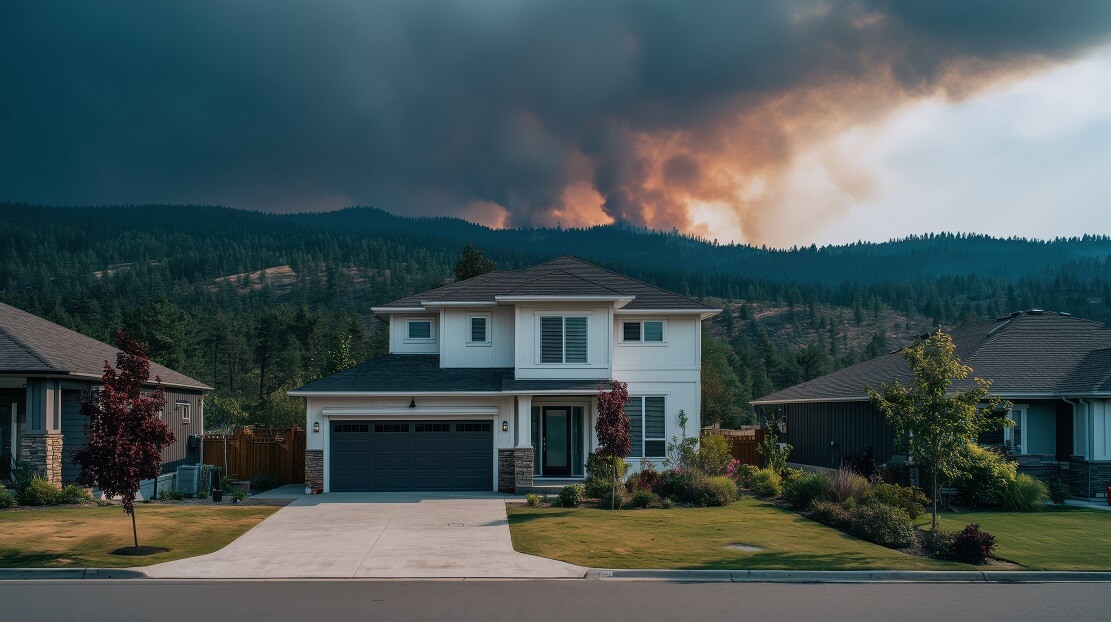
The Affordable Home Hardening Solution: DIY Ember Defense
This is where Firestorm® offers an affordable, DIY-friendly approach to wildfire defense, empowering homeowners to take action without costly renovations.
Firestorm® designs ember protection systems to be:
- WUI-compliant
- Affordable
- Easy for homeowners or contractors to install
- Focused on actual ignition pathways, not cosmetic improvements
This approach aligns with research showing that homes built to wildfire-resistant standards can often be constructed at a similar cost to conventional homes when design choices focus on ignition prevention rather than expensive structural changes.
Home hardening doesn’t have to start with everything. It can begin by focusing on the places embers are most likely to enter, helping homeowners feel capable of making a difference immediately.
The 4 Most Vulnerable Entry Points for Embers (and How to Fix Them for Less)
When embers attack a home, they tend to follow predictable paths. Focusing on these areas delivers the greatest return on investment for wildfire protection.
Attic & Crawlspace Vents
Vents are essential for airflow, but during a wildfire, they can become direct entry points for embers. Changes in wind pressure can draw embers into attics and crawlspaces, where they ignite insulation or framing.
Solution: Install ember-resistant vents engineered with fine, fire-resistant mesh that exceeds minimum ember-blocking standards. EmberVents™ are designed to maintain ventilation while preventing ember intrusion.
Eaves and Soffits
Open or vented eaves experience heavy ember exposure as wind pushes embers upward along exterior walls. Gaps and unprotected vents allow embers to lodge where they can ignite the roof sheathing or framing.
Solution: Use ember-resistant vent protection and fire-resistant mesh at soffit openings and vulnerable gaps.
EmberMesh™ provides flexible, DIY-friendly protection for these areas.
Decks and Under-Deck Areas
Embers often collect beneath decks, especially where leaves and debris accumulate. Once ignition starts below the deck, fire can quickly spread into wall assemblies.
Solution: Install ember-resistant mesh beneath decks and along exposed structural openings, and keep debris cleared from underneath.
This creates a physical barrier that prevents ember lodging while allowing proper drainage and airflow.
Gutters
Gutters are one of the most overlooked ignition points. Dry leaves and needles act as kindling when embers land along rooflines.
Solution: Use non-combustible gutter guards that prevent debris buildup and reduce ignition risk at the roof edge.
About Cost (and Why DIY Matters)
While full retrofits can be expensive, DIY ember defense upgrades often cost only a fraction of that, making wildfire protection accessible for most homeowners.
Rather than waiting for grants, insurance mandates, or major construction projects, homeowners can begin blocking ignition pathways immediately and affordably.
(Exact costs vary by home design and number of openings, but the principle remains consistent: stopping embers is far less expensive than rebuilding after ignition.)
Homeowners Can Act Today, No Contractors Required
One of the most empowering truths about wildfire safety is this: You don’t need to wait for an insurance notice, permit process, or government program to begin protecting your home.
With basic tools and weekend-level projects, homeowners can:
- Upgrade vents
- Add ember-resistant mesh
- Install gutter protection
- Seal vulnerable openings
- Improve defensible space
Firestorm® designs products specifically so homeowners can take action themselves—safely, confidently, and correctly.
Want to see how easy installation can be? ▶ DIY Ember Protection Video:
Don’t Wait for Wildfire Season to Start Protecting Your Home
The New Yorker is right about one thing: wildfire risk is growing, and communities need smarter protection strategies. But what’s often missing from the conversation is that meaningful home hardening doesn’t have to be expensive or complicated.
By focusing on ember defense, the true cause of most home ignitions, homeowners can dramatically reduce wildfire risk with practical, affordable upgrades.
Firestorm® Building Products is proud to support that effort with proven, WUI-compliant ember protection systems designed for real homes, real budgets, and real wildfire conditions.
Start your home hardening journey today:
For additional defensible space guidance, visit CAL FIRE.
Because protecting your home from wildfire should feel possible, not overwhelming.

