

Wildfire season in California is no longer a once-a-year event—it’s a persistent threat. With drier winters, longer summers, and stronger winds, every season is now a potential fire season. Governor Gavin Newsom’s 2025 Wildfire Preparedness Campaign underscores this urgent reality, urging homeowners to act now rather than wait for the next red flag warning.
The message is clear: defending your home against wildfire starts at home. Even small improvements—when done correctly—can make the difference between a structure that survives and one that doesn’t.
At FireStorm Building Products, we help homeowners take those steps confidently with affordable, code-compliant, and DIY-friendly wildfire defense solutions that meet California’s home hardening requirements.
Understanding Ember Risk: How Wildfires Threaten Your Home
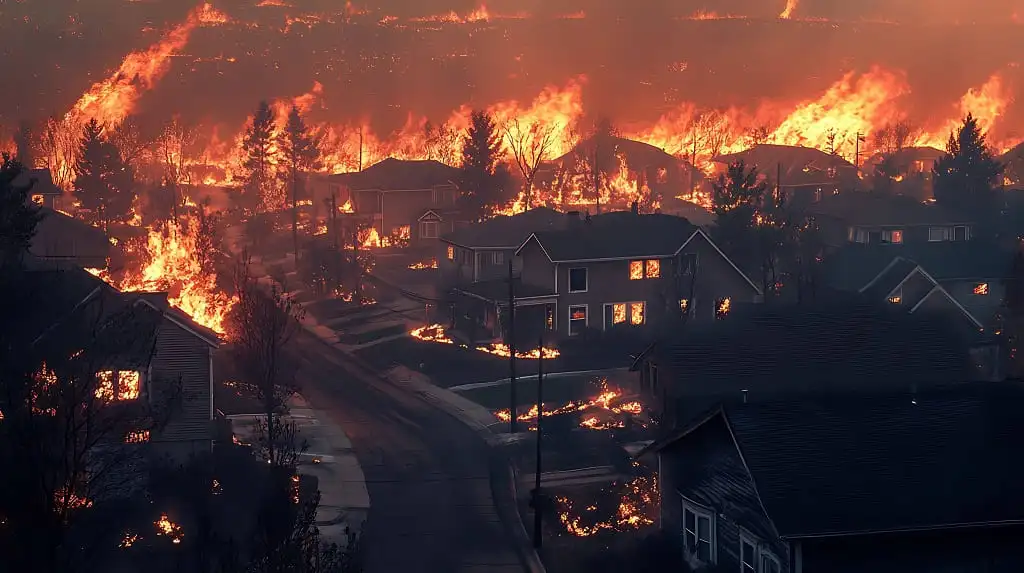
When people think of wildfire damage, they often imagine walls of flame. But most homes are lost not to direct fire contact, but to windblown embers—burning debris that can travel miles ahead of an active fire. According to the Insurance Institute for Business & Home Safety (IBHS), embers are responsible for up to 90% of home ignitions in wildfires.
Embers can enter a home through vents, land in gutters filled with dry leaves, or collect beneath decks, fences, and eaves. Once they find fuel, ignition is almost inevitable. These small openings often go unnoticed—but they’re precisely where homeowners have the most power to make changes, empowering you to take control of your home’s safety.
To visualize where embers can enter and how to defend against them, explore the IBHS Wildfire Prepared Program at WildfirePrepared.org.
Six Vulnerable Areas in Every Home
Hardening your home begins by identifying its weak points. Below are six areas where embers typically strike, along with what you can do to strengthen them.
1. Roof and Gutters
Dry debris that collects in gutters is one of the most common ignition sources. When embers land here, flames can spread quickly to your roofline. Regular cleaning and the installation of fire-rated, metal gutter guards help eliminate this fuel source while improving rainwater flow during winter.
FireStorm’s ember-resistant gutter guards are designed to block embers, leaves, and pine needles—all while meeting California’s Wildland-Urban Interface (WUI) standards for fire resistance.
2. Vents and Eaves
Standard vents often have openings large enough for embers to pass through. Installing EmberVents or covering existing vents with EmberMesh helps prevent embers from entering attics or crawlspaces, where they can ignite insulation and stored materials.
3. Windows and Doors
Single-pane windows can shatter in the heat, allowing embers to enter. Consider upgrading to double-paned or tempered glass, and seal gaps around doorframes to prevent ember intrusion.
4. Decks and Wooden Structures
Embers often lodge beneath decks or between floorboards. Clean regularly and enclose the underside with noncombustible materials, such as EmberMesh, to prevent debris buildup and ember accumulation.
5. Landscaping and Defensible Space
Maintaining the area around your home—known as defensible space—is one of the most effective ways to defend against wildfire. Create a five-foot noncombustible zone around your foundation using gravel or pavers, and keep plants trimmed and spaced apart. CAL FIRE provides detailed guidance at fire.ca.gov/dspace.
6. Siding and Exterior Materials
Combustible siding and fences can carry flames directly to your home. Choose noncombustible materials like fiber cement or stucco when possible, and ensure fences are disconnected from the structure by a non-flammable break.
Real-Life Lessons in Wildfire Resilience
When the 2018 Camp Fire tore through Paradise, California, researchers noted a striking pattern: homes built or retrofitted with ember-resistant features had far higher survival rates. In more recent years, IBHS has worked with developers like KB Home to create entire wildfire-resilient neighborhoods, where fire-rated vents, noncombustible roofs, and clean gutters are standard, not optional.
In these communities, when one home survives, it often helps protect the next. That’s the ripple effect of home hardening—a collective defense built on individual action.
How to Start Hardening Your Home Today
You don’t need to tackle every upgrade at once. Start with an inspection to identify your home’s vulnerabilities, then move through manageable projects season by season.
- Inspect: Walk your property and note areas where debris collects or gaps exist.
- Clean and maintain: Clear leaves from gutters, sweep decks, and trim vegetation.
- Upgrade strategically: Replace old vents with ember-resistant models, install metal gutter guards, and create defensible space.
According to a 2024 Headwaters Economics study, full home hardening can cost between $2,000 and $100,000, depending on the size and materials. FireStorm exists to make those upgrades affordable and accessible for DIY homeowners, providing tested, WUI-approved materials designed for safety and simplicity, giving you peace of mind that protecting your home is within reach.
Late fall and winter are the best seasons to begin home hardening. Once the leaves drop and fire danger decreases, it’s easier—and safer—to perform exterior maintenance and install new ember protection products before the next dry season arrives. By starting now, you’ll be better prepared when the next fire season begins.
Download Your Ember Risk Checklist
Not sure where to start? FireStorm offers a free Ember Risk Home Inspection Checklist, designed to help you evaluate each area of your property. Use it to plan your next weekend project, budget upgrades, and prioritize what matters most.
Want to protect your home before the next fire season begins?
Download our checklist and explore ember-resistant products like:
Together, these solutions help you stop embers before they start fires.
The Bottom Line
Wildfires aren’t slowing down, but your home doesn’t have to stand unprotected. By understanding how embers work, identifying weak points, and taking proactive steps now, you can drastically improve your home’s odds during fire season.
At FireStorm, wildfire defense should be simple, science-backed, and within reach for every Californian. Prepare during the cooler months, strengthen your home one step at a time, and know that your efforts today can protect your property, your neighborhood, and your peace of mind tomorrow.
Take the next step. Download our Ember Risk Home Inspection Checklist and start your journey to a more resilient home today.

