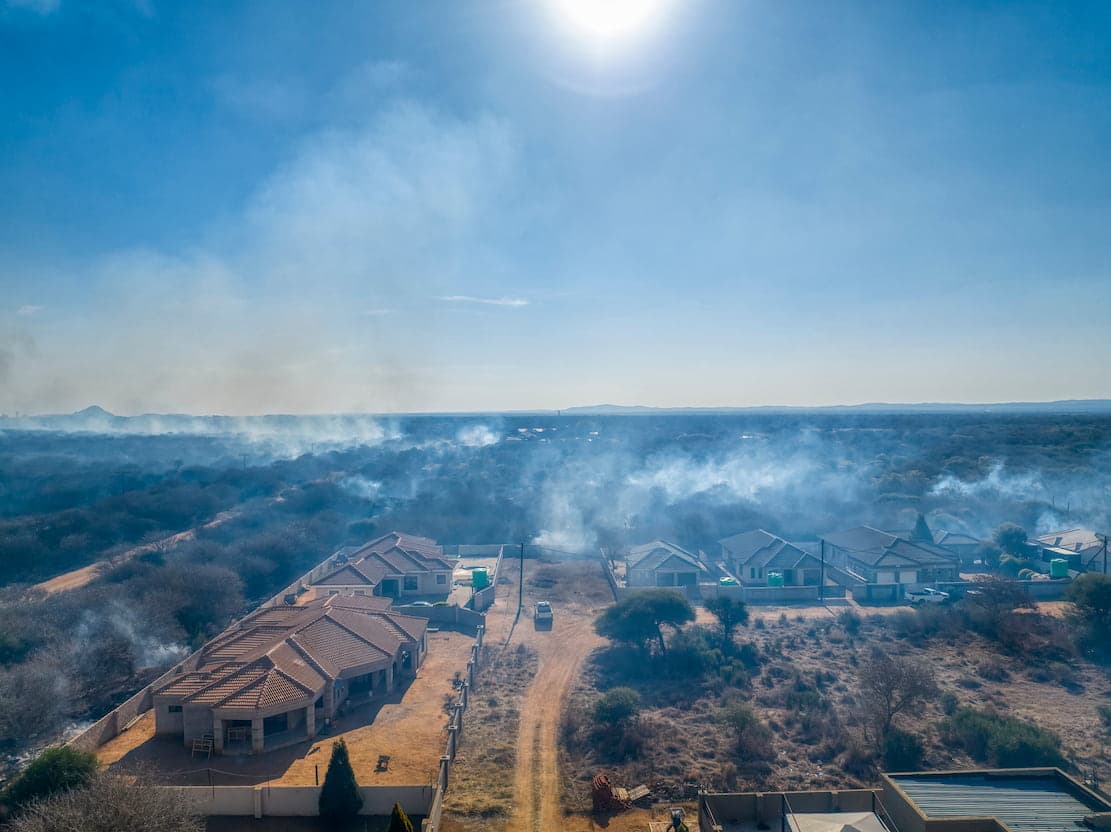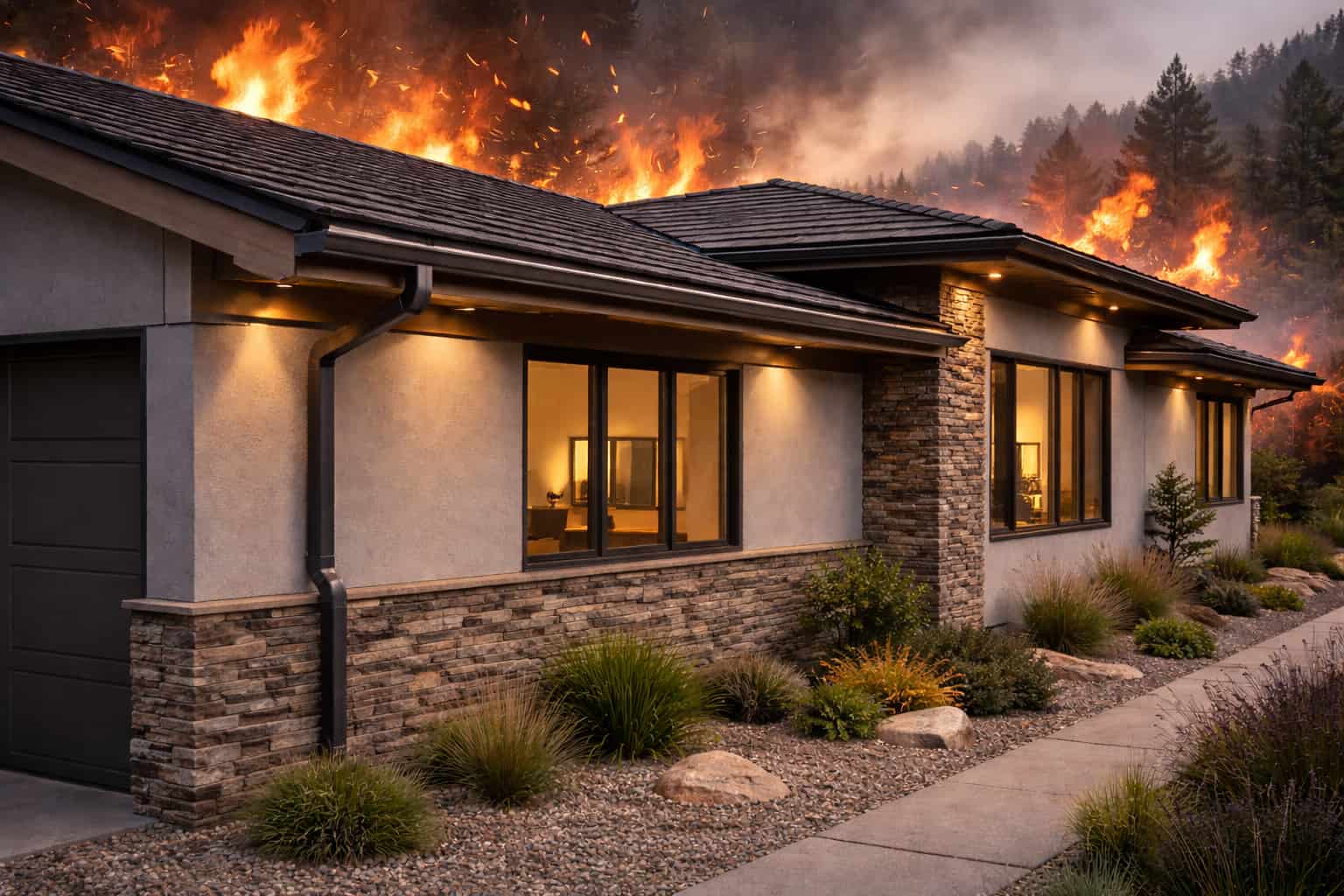
Colorado’s Wildfire Resiliency Code permits two vent compliance paths: performance-based listed vents tested to ASTM E2886 and prescriptive 1/8-inch noncombustible mesh. While both may meet code depending on jurisdiction, they differ in testing rigor and ember resistance. Builders and inspectors must understand these differences to ensure proper compliance, inspection approval, and stronger protection against ember-driven structure ignition.
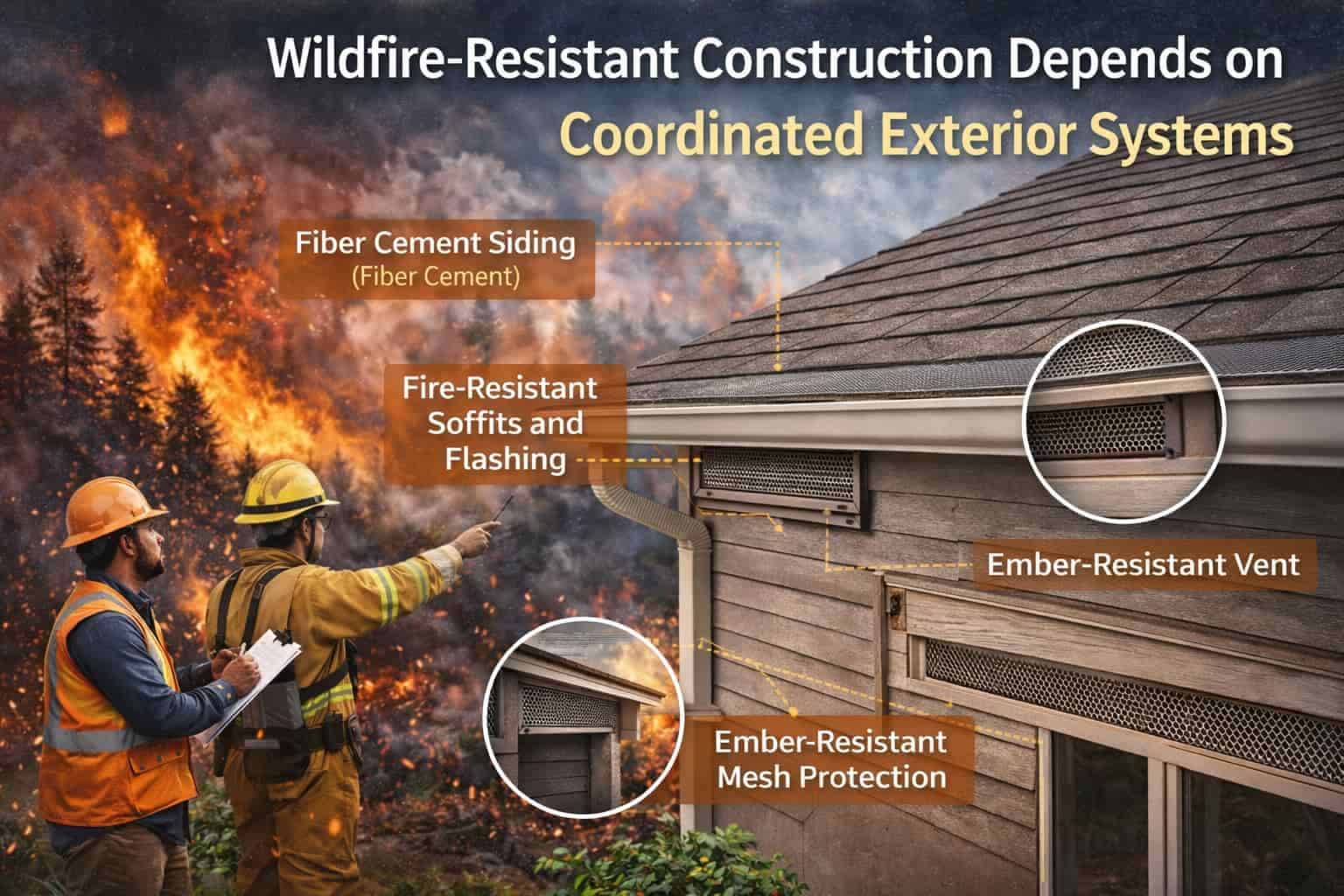
Colorado Wildfire Resiliency Code
Learn how fire resistant construction materials work together to reduce wildfire ignition risk. This article explains why siding, vents, rooflines, and ember protection must function as a coordinated exterior system rather than isolated components. Discover how ember intrusion compromises structures through vulnerable openings and why system-based design strengthens resilience. Explore how aligning exterior assemblies improves compliance, inspection outcomes, and long-term performance in wildfire-prone regions.
Learn how the Colorado Wildfire Resiliency Code (CWRC) addresses ember-driven home ignition and why ventilation openings are a critical focus under Section 403.4. This guide explains wildfire-resistant vent requirements, the difference between ASTM E2886-listed vents and 1/8-inch mesh compliance paths, and how builders and designers can select code-compliant solutions that improve wildfire resilience across Colorado projects.