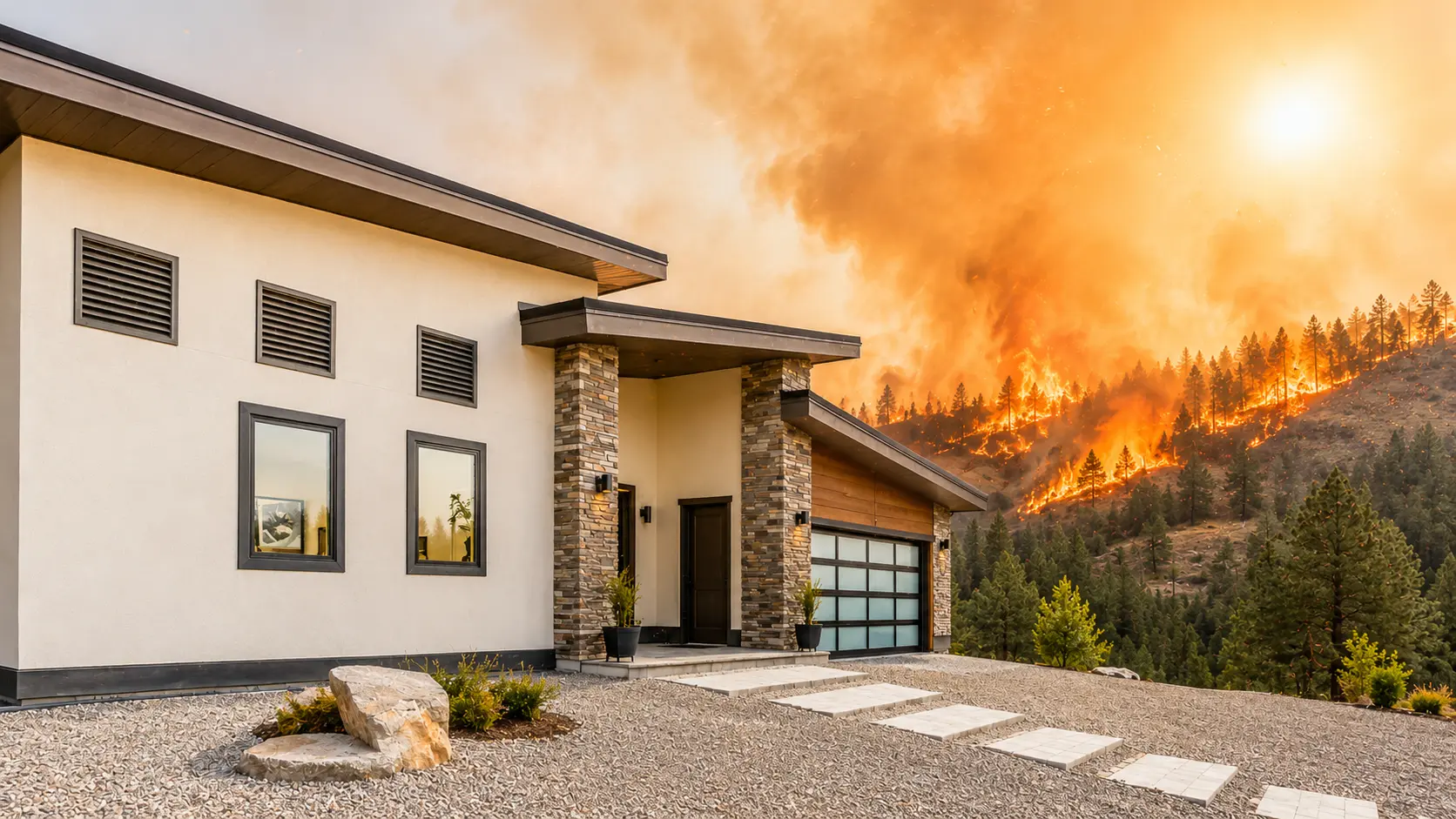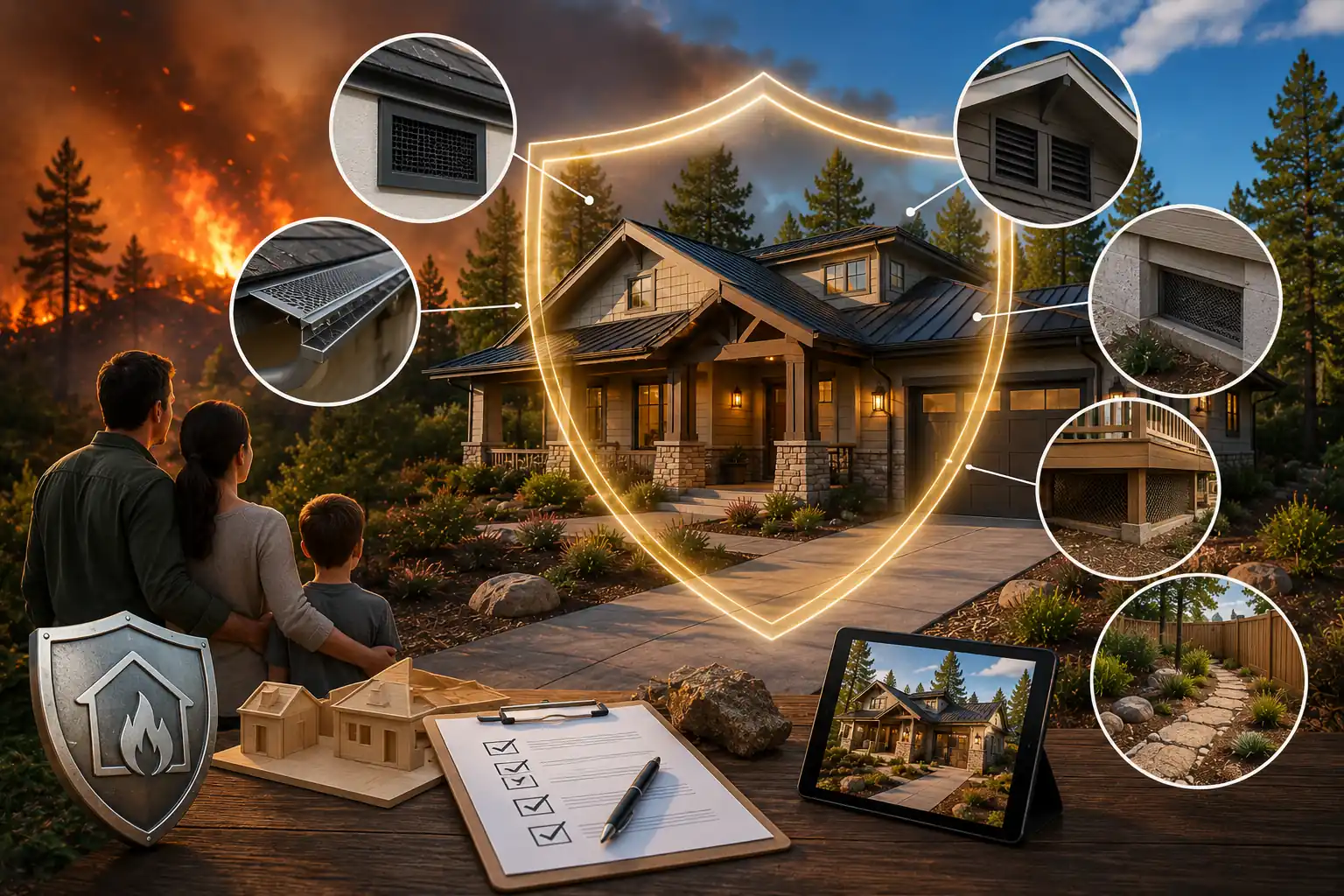
Learn why soffit vent screens are a critical part of wildfire home hardening. Discover how ember-resistant soffit vents reduce ember intrusion, compare standard and wildfire-rated vent systems, understand Chapter 7A and ASTM testing, and choose the right soffit vent protection to improve your home’s wildfire resilience.
ember protection
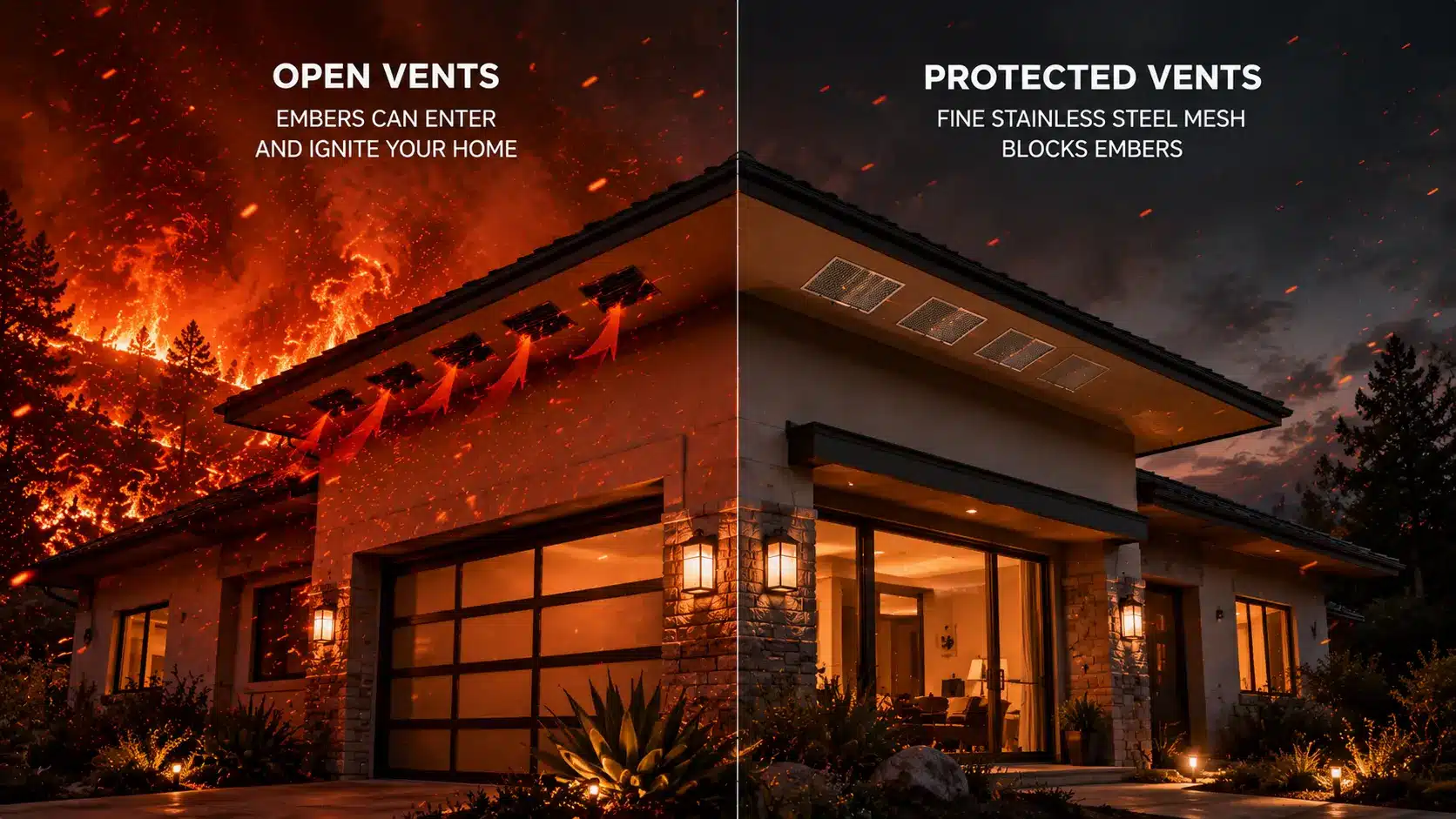
Ember resistant vents are a critical part of wildfire home hardening. Discover how they work, compare different vent types, understand ASTM E2886 testing, and learn when retrofit or replacement is the right choice. Build a stronger wildfire defense strategy with informed decisions that improve long-term home protection.
Foundation vent screens are an essential part of wildfire home hardening. This guide explains how embers reach crawl space vents, why standard vent screens may increase wildfire risk, and how ember-resistant mesh and foundation vent protection help reduce ember intrusion while maintaining proper ventilation and improving home resilience.
Learn why standard vent mesh and hardware cloth often fail wildfire inspections, and what inspectors actually look for in ember-resistant vent protection. This guide explains ASTM E2886 testing, Chapter 7A compliance, and how listed solutions like Firestorm EmberMesh™ and EmberVent™ help homeowners meet WUI requirements and improve wildfire safety.
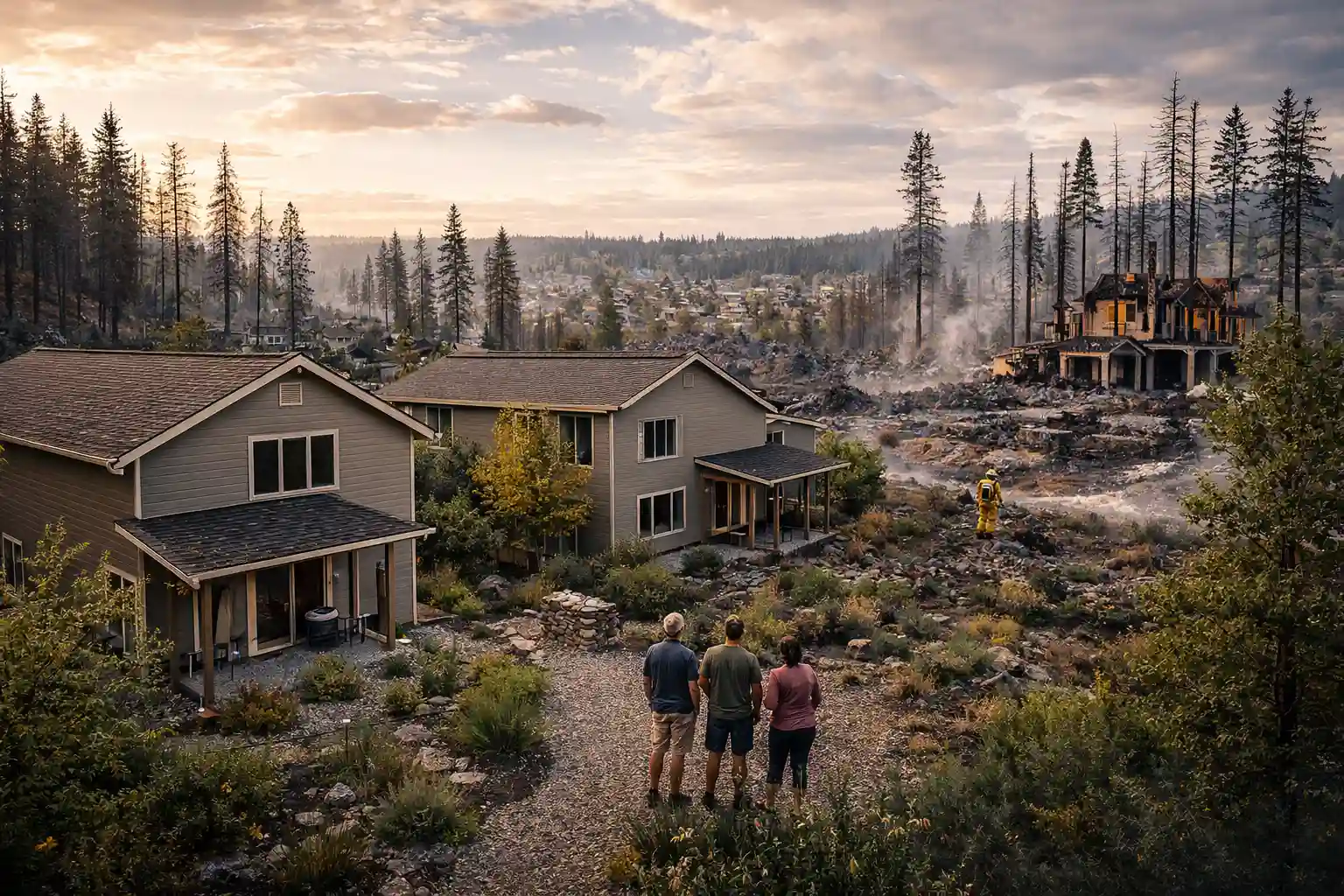
Wind-driven embers, not flames, destroy most homes during wildfires. This guide explains how vulnerabilities like vents, gutters, and landscaping lead to ignition, and outlines practical DIY strategies—such as Zone 0 clearance and ember-resistant upgrades—to reduce risk, harden homes, and improve survival chances in wildfire-prone areas and communities.
Selling a home in California’s wildfire-prone areas now involves more than standard disclosures and inspections. AB 38 has made wildfire compliance a growing factor in escrow, especially as buyers, agents, and lenders look for proof that a property meets basic safety standards. This guide explains how AB 38 affects home sales, what inspectors commonly check, why homes fail, and which pre-listing improvements can help sellers avoid delays, reduce repair negotiations, and move through closing with greater confidence in 2026.
Colorado’s Wildfire Resiliency Code permits two vent compliance paths: performance-based listed vents tested to ASTM E2886 and prescriptive 1/8-inch noncombustible mesh. While both may meet code depending on jurisdiction, they differ in testing rigor and ember resistance. Builders and inspectors must understand these differences to ensure proper compliance, inspection approval, and stronger protection against ember-driven structure ignition.
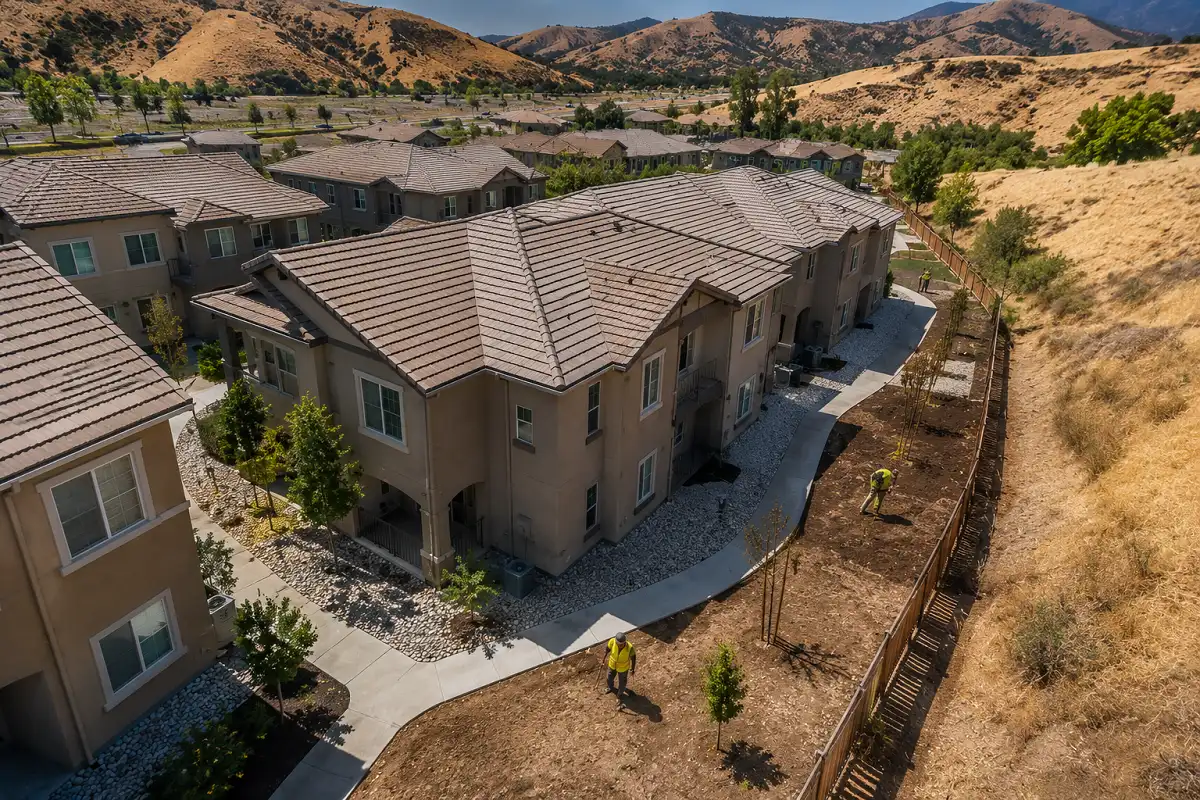
Learn how fire resistant construction materials work together to reduce wildfire ignition risk. This article explains why siding, vents, rooflines, and ember protection must function as a coordinated exterior system rather than isolated components. Discover how ember intrusion compromises structures through vulnerable openings and why system-based design strengthens resilience. Explore how aligning exterior assemblies improves compliance, inspection outcomes, and long-term performance in wildfire-prone regions.