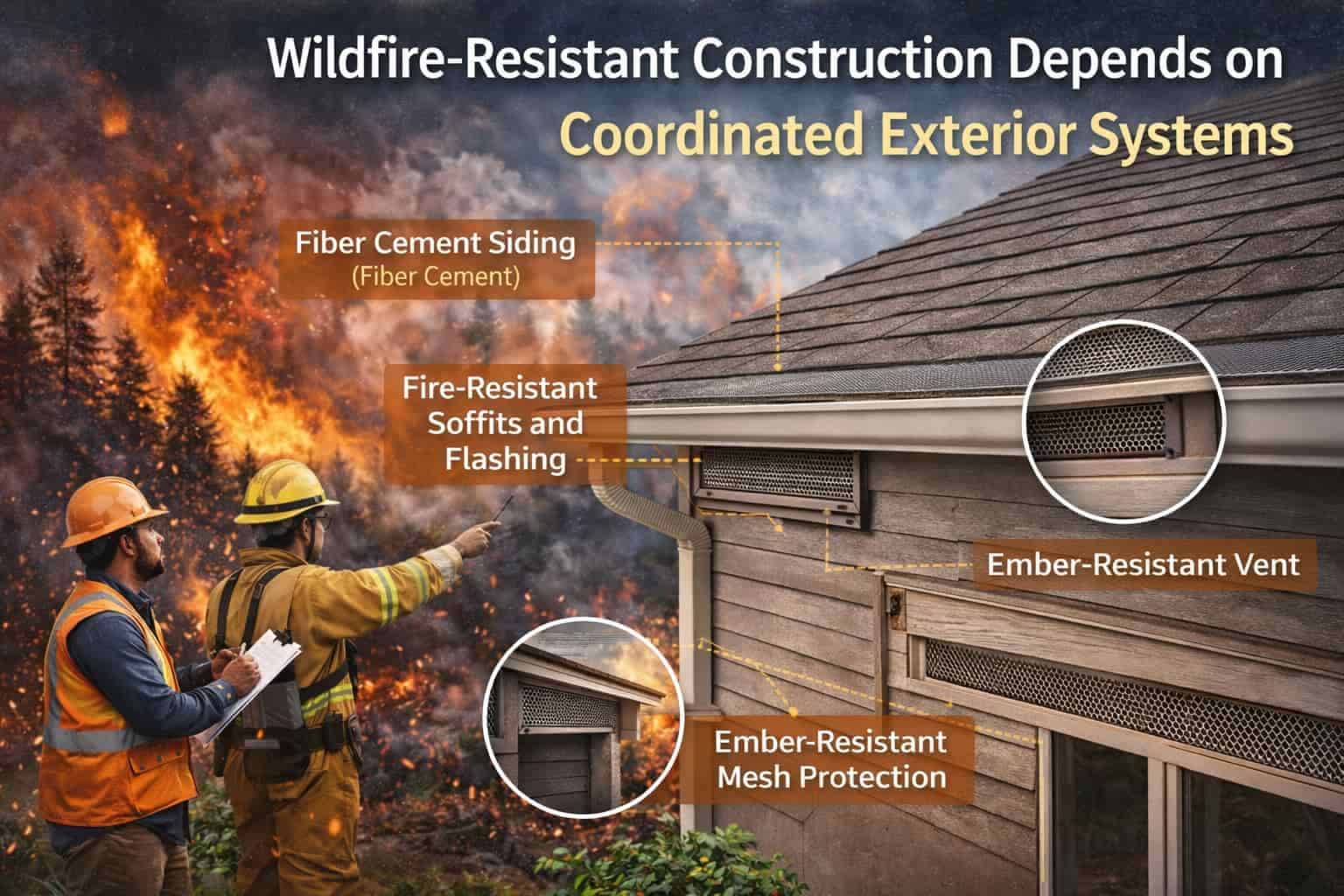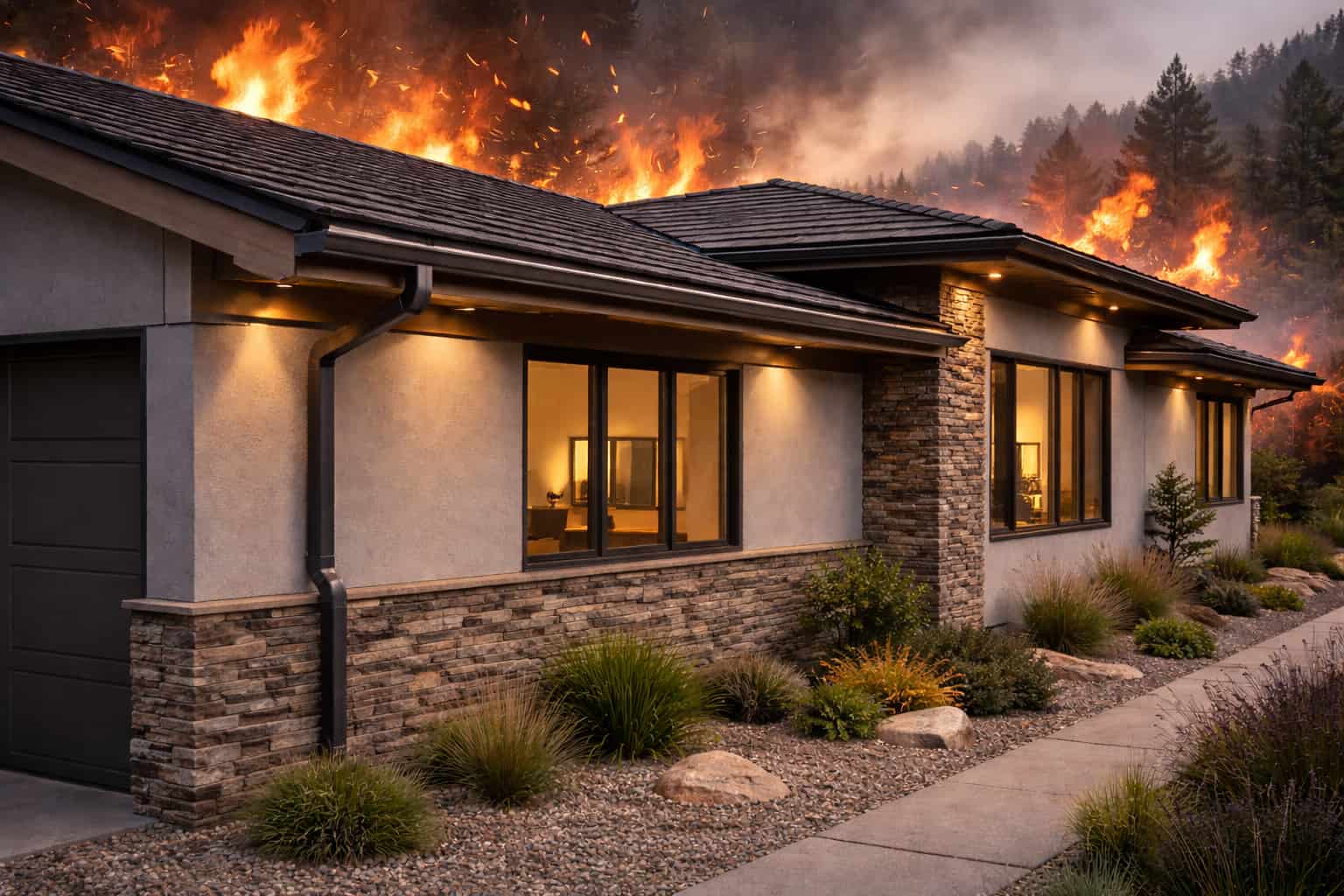
Learn how the Colorado Wildfire Resiliency Code (CWRC) addresses ember-driven home ignition and why ventilation openings are a critical focus under Section 403.4. This guide explains wildfire-resistant vent requirements, the difference between ASTM E2886-listed vents and 1/8-inch mesh compliance paths, and how builders and designers can select code-compliant solutions that improve wildfire resilience across Colorado projects.
ember protection
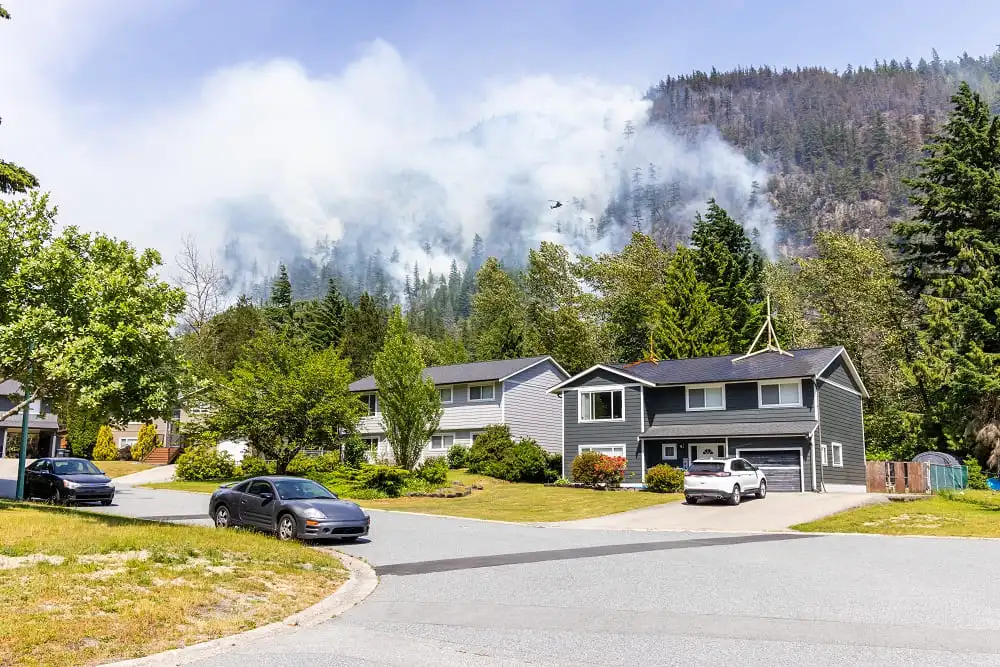
Learn how Firewise Communities® help neighborhoods reduce wildfire risk by working together to block ember-driven ignition. This article explains why wildfires spread faster from home to home, how collective action strengthens community resilience, and how affordable home hardening upgrades—like ember-resistant vents, ember mesh, and fire-rated gutter guards—support Firewise principles without costly renovations.
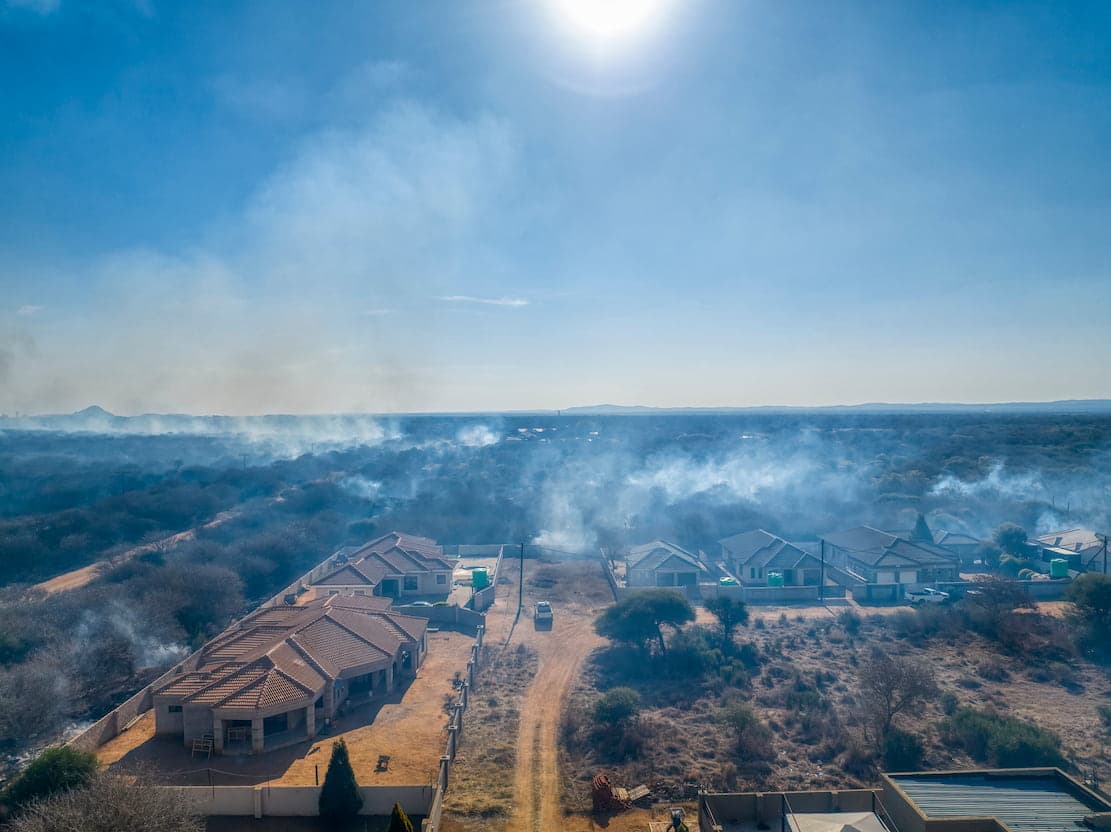
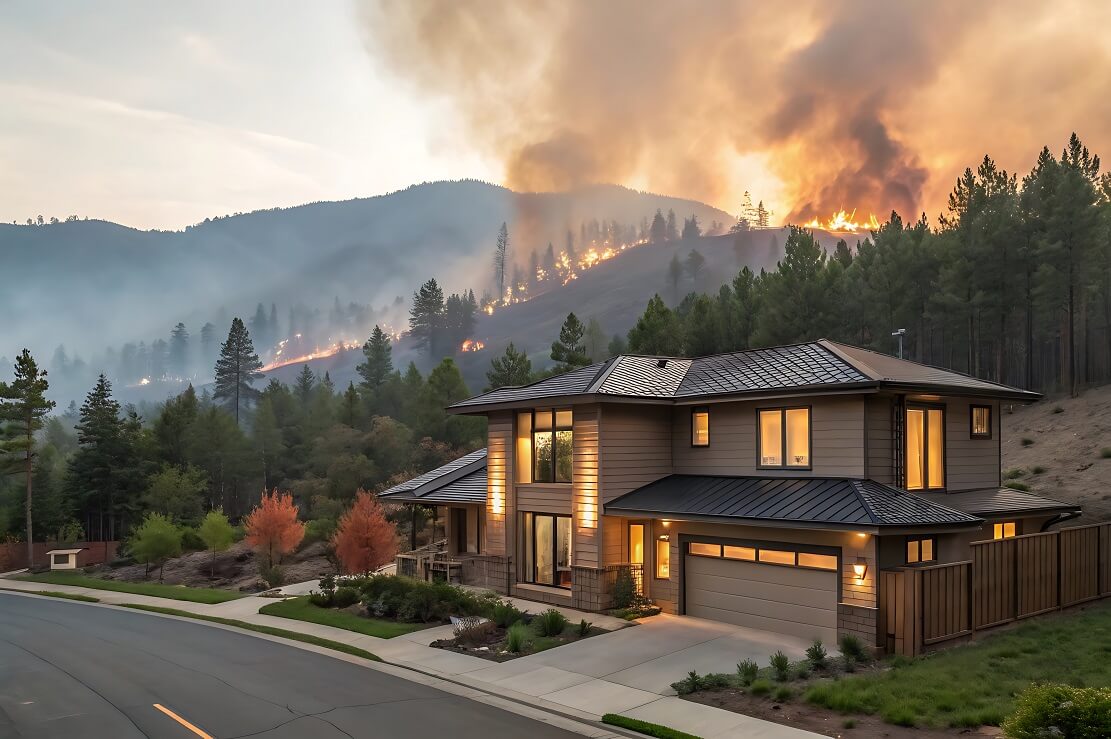
Learn how wind-blown embers ignite homes during wildfires and discover proven ember protection strategies to prevent ignition and protect your property. Wildfires are often pictured as towering flames racing across hillsides, engulfing homes in their path, but research tells another story: up to 90% of homes lost in wildfires ignite from wind-blown embers, not direct flame contact (IBHS). These glowing fragments—sometimes no bigger than a penny—are responsible for the majority of structure loss during events like the Camp Fire, Almeda Fire, and Eagle Creek Fire.