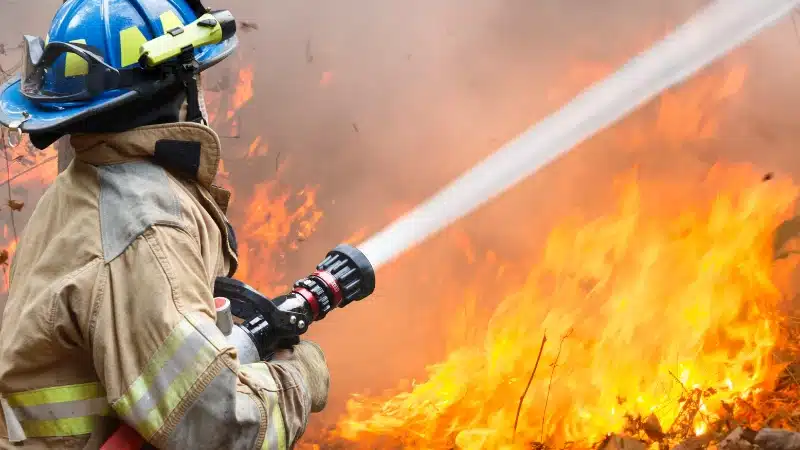
The January 2025 Los Angeles wildfires showed how fast-moving wind-driven fires can strain water systems and firefighting resources. Home hardening remains a property-level priority.


The January 2025 Los Angeles wildfires showed how fast-moving wind-driven fires can strain water systems and firefighting resources. Home hardening remains a property-level priority.
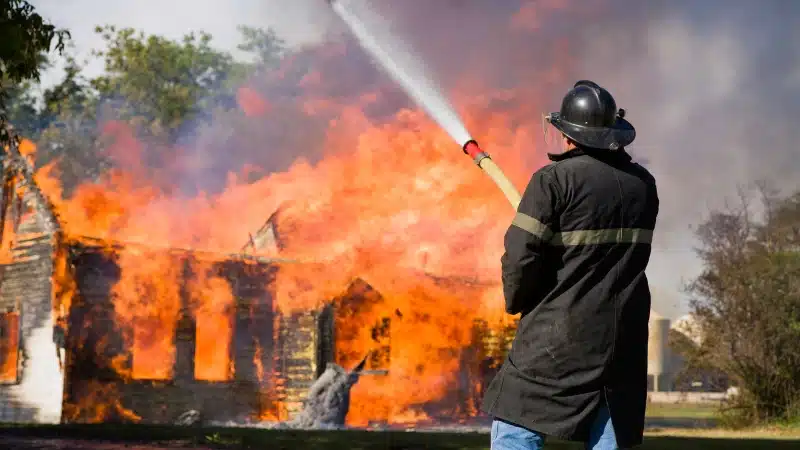
California Safer from Wildfires organizes wildfire resilience around structure protection, the immediate surroundings, and community action, including ember-resistant vents.
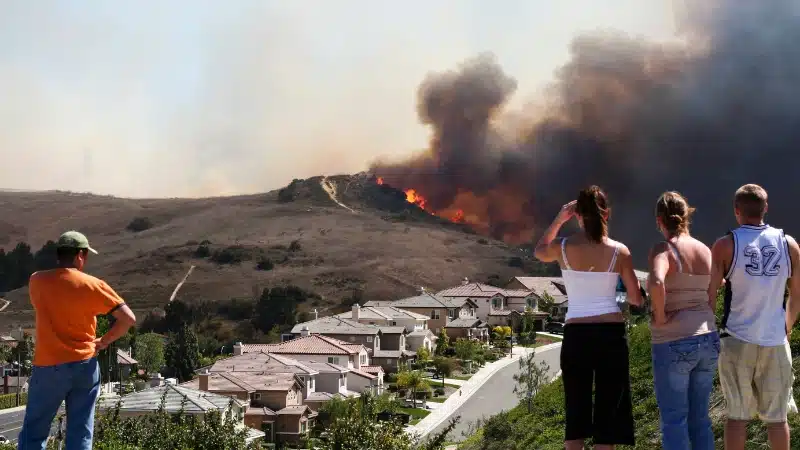
California wildfire risk is shaped by weather, terrain, vegetation, embers, building materials, and maintenance. Learn how home hardening and wildfire vents fit together.
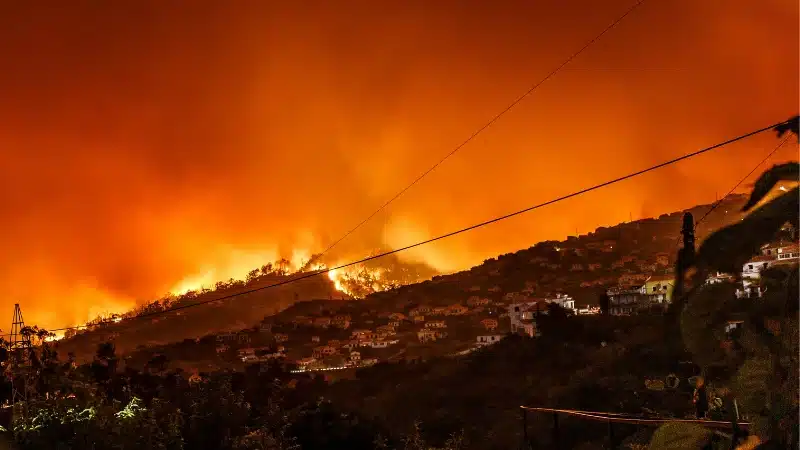
Homeowners in California wildfire-prone areas need clear insurance records, careful policy review, and practical home hardening steps that reduce physical vulnerability.

Private insurance and the California FAIR Plan serve different roles for California property owners in wildfire-prone areas. Learn how coverage, limitations, and mitigation fit together.
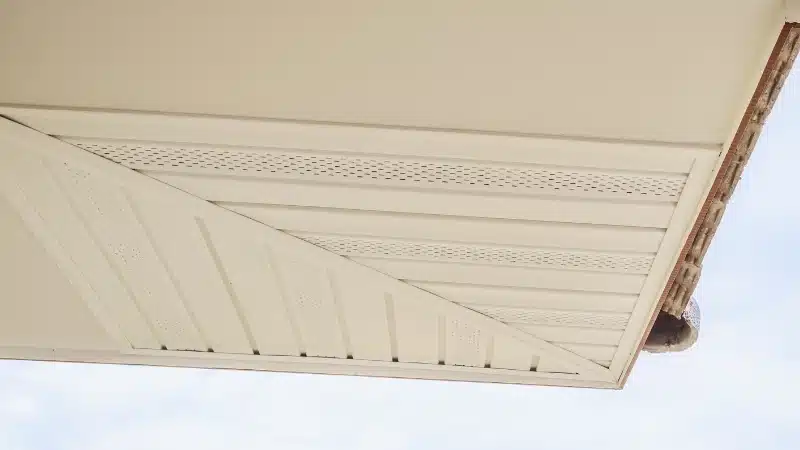
Wildfire vents help protect vulnerable attic, crawl space, and wall openings from wind-driven embers, heat, and flame exposure while supporting required airflow.
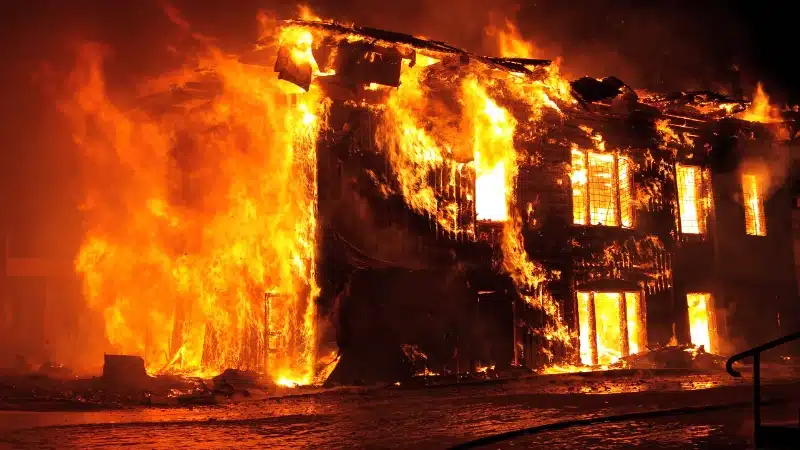
A wildfire ember storm can expose vents, roofs, gutters, decks, and Zone 0 before flames arrive. Learn how home hardening reduces vulnerable ignition pathways.
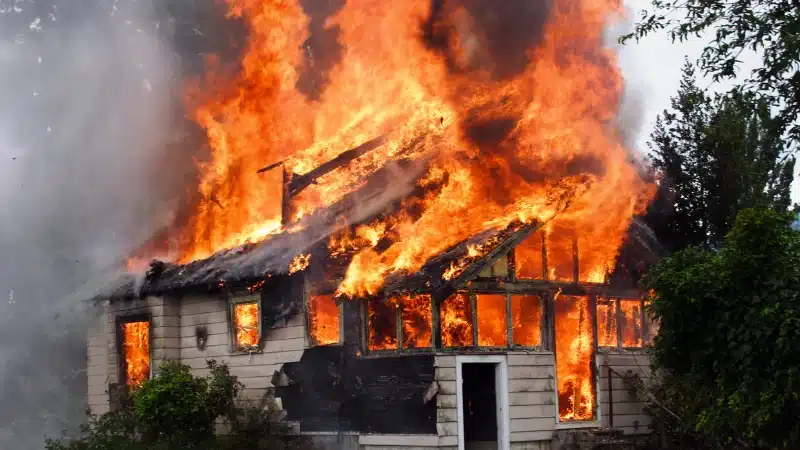
Wildfire insurance in California depends on policy terms, insurer review, FAIR Plan options, and documentation. Home hardening supports risk reduction, while final insurance outcomes depend on policy terms and insurer review.

Ember storms can expose homes before flames arrive. Learn how WUI conditions, home hardening, and wildfire vent protection help reduce vulnerable ignition pathways.

San Diego County wildfires show how wind, dry fuels, evacuation pressure, and ember exposure affect homes. Learn what these fires mean for practical home hardening.
