
Ridge vents and gable vents serve different attic ventilation roles. Learn how airflow, moisture control, roof design, and wildfire exposure affect vent selection.


Ridge vents and gable vents serve different attic ventilation roles. Learn how airflow, moisture control, roof design, and wildfire exposure affect vent selection.

Ember storms can expose homes before flames arrive. Learn how WUI conditions, home hardening, and wildfire vent protection help reduce vulnerable ignition pathways.

Different wildfire vent types protect different openings, from soffits and eaves to dormers, gables, foundations, and crawlspaces. Learn how each application fits into home hardening.

Historic U.S. fires show how wind, fuel, building materials, planning, and evacuation shape fire outcomes. Learn practical wildfire readiness lessons for homes and communities.
Fire safety equipment should support both everyday home fire safety and wildfire readiness. Review alarms, extinguishers, escape tools, emergency supplies, and wildfire vent protection.

Wildfires need heat, fuel, oxygen, and conditions that allow flames and embers to spread. Learn the main causes of wildfire and how home hardening reduces structure vulnerability.
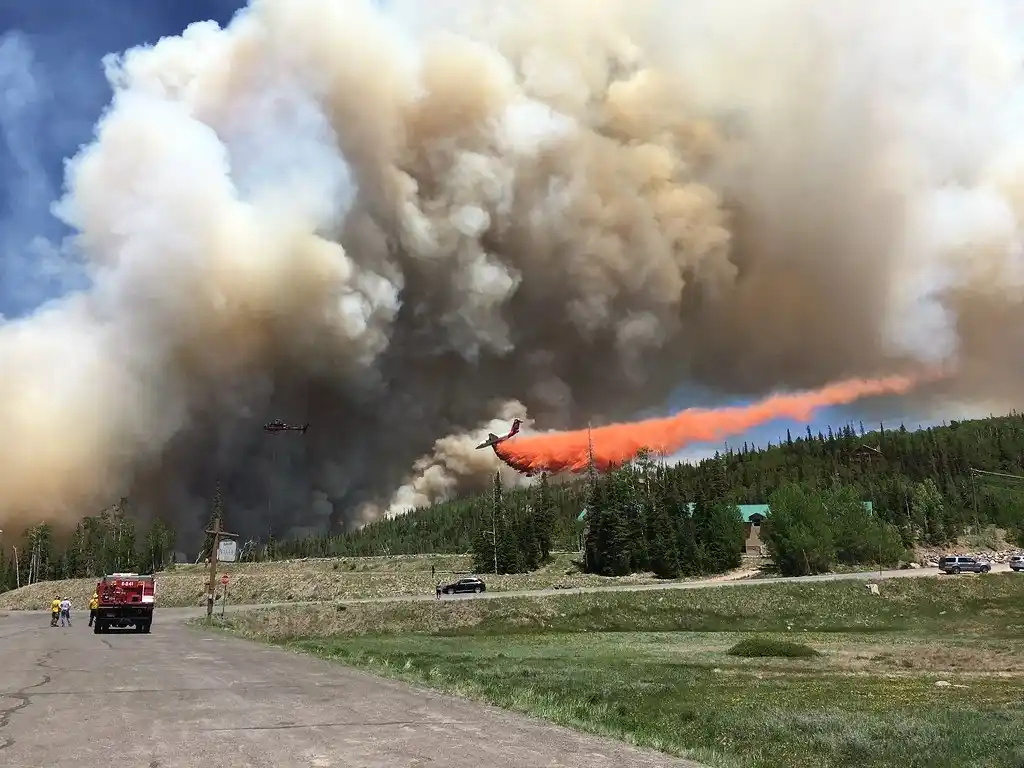
California WUI vent requirements focus on reducing ember and flame intrusion through attic, eave, soffit, and underfloor ventilation openings. Learn how current code context and ASTM testing fit together.
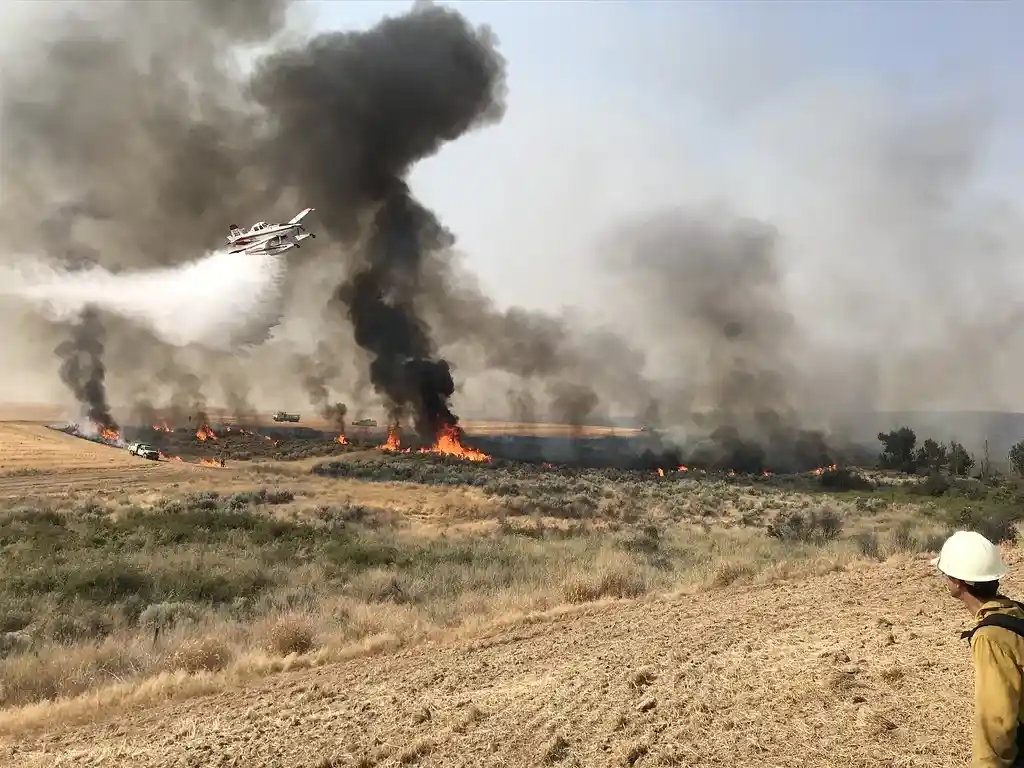
A wildfire evacuation plan gives every person in the household a clear role before smoke, traffic, or emergency alerts create pressure. Use this guide to prepare routes, meeting points, alerts, and practice drills.

Wildfire home hardening works best when several practical measures work together. Learn how vents, vegetation, roofing, landscaping, alarms, and evacuation planning reduce avoidable risk.
