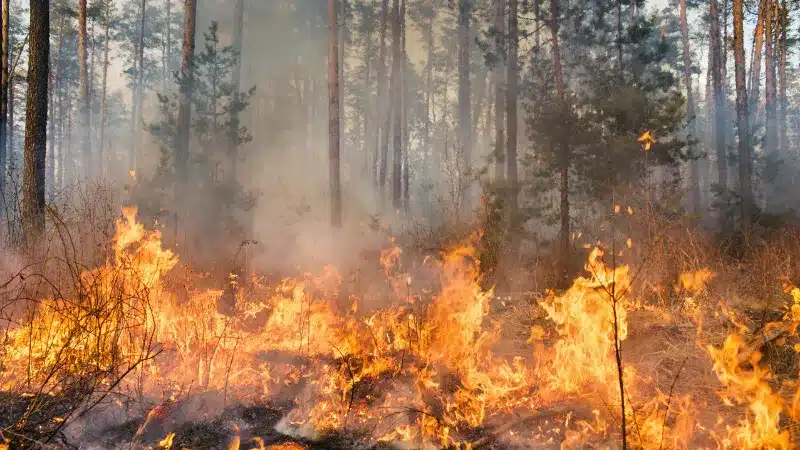
The wildland urban interface in California is where development meets or mixes with vegetation. Learn why WUI homes need defensible space, home hardening, and wildfire vents.


The wildland urban interface in California is where development meets or mixes with vegetation. Learn why WUI homes need defensible space, home hardening, and wildfire vents.

Ridge vents and gable vents serve different attic ventilation roles. Learn how airflow, moisture control, roof design, and wildfire exposure affect vent selection.
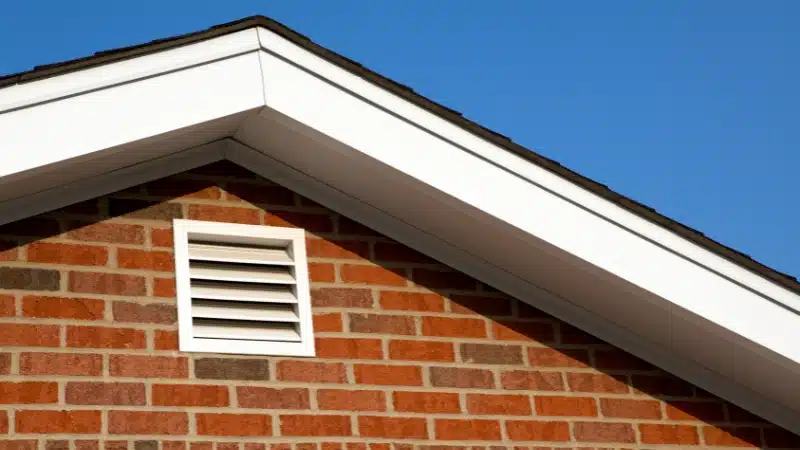
Home hardening reduces the ways a home can ignite during wildfire exposure. Learn how defensible space, exterior materials, vents, maintenance, and evacuation planning work together.
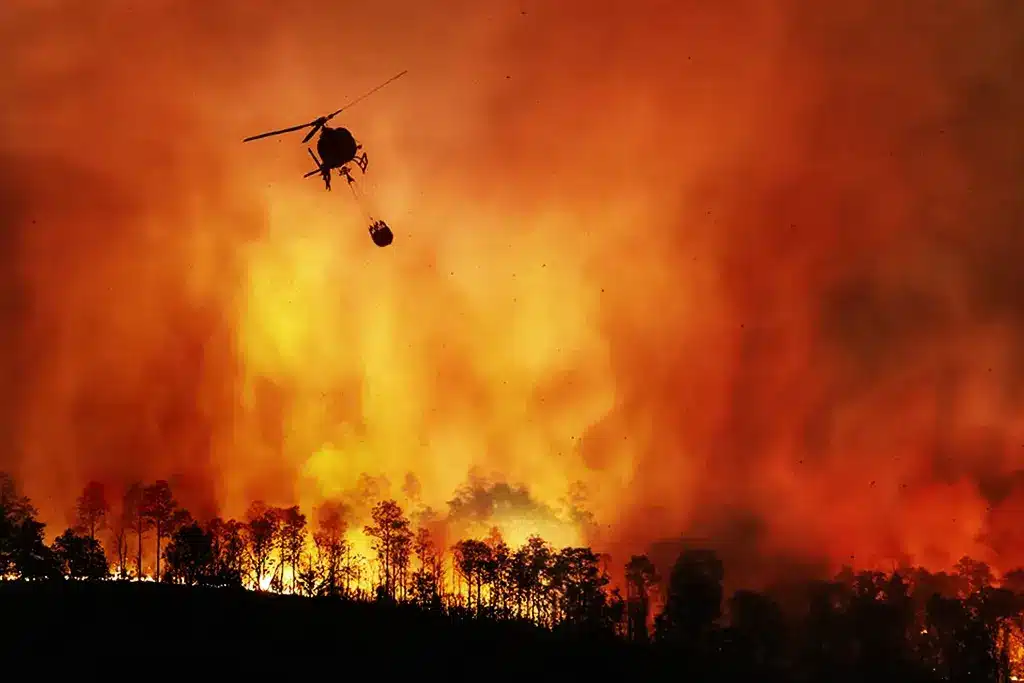
Protecting a home from wildfire starts with practical home hardening: defensible space, roof and gutter maintenance, ember-resistant vents, evacuation planning, and routine upkeep.
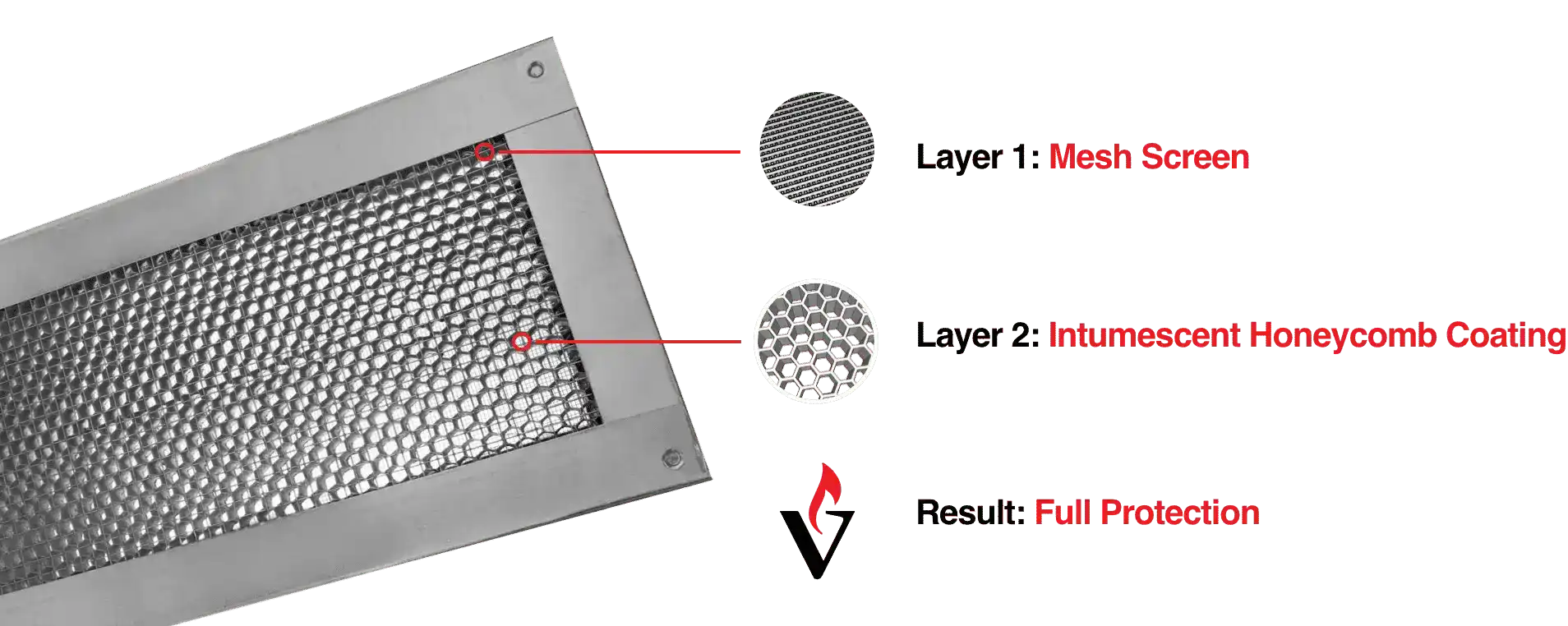
V2 Vents are wildfire vents designed to block embers, heat, and flames while supporting airflow. Learn how they fit into home hardening and WUI construction.
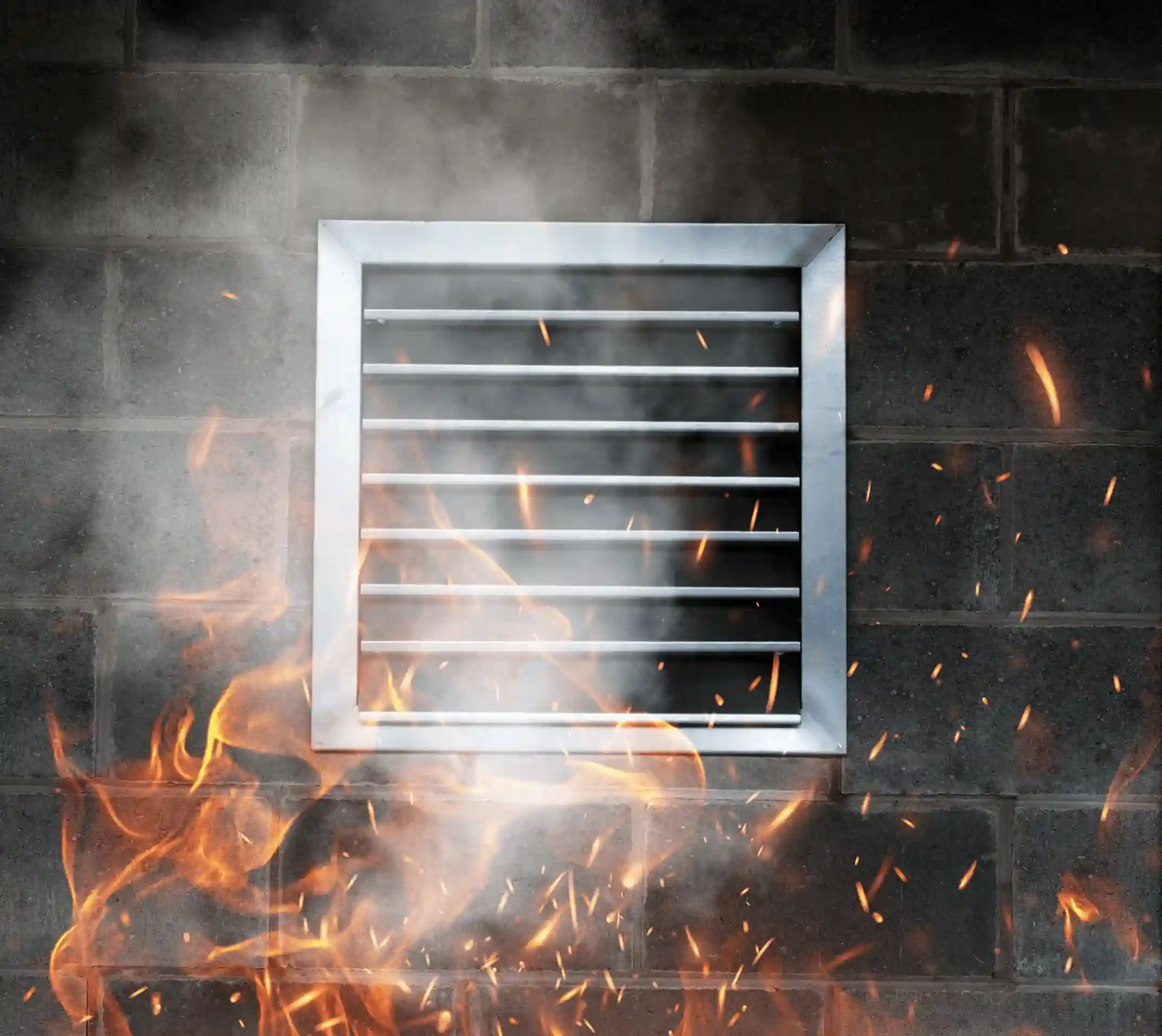
Ember-resistant wildfire vents combine airflow, ember mesh, and active flame defense. Learn how V2 Vents use the V2 Honeycomb Matrix to protect vulnerable openings.

Ember storms can expose homes before flames arrive. Learn how WUI conditions, home hardening, and wildfire vent protection help reduce vulnerable ignition pathways.

Different wildfire vent types protect different openings, from soffits and eaves to dormers, gables, foundations, and crawlspaces. Learn how each application fits into home hardening.

San Diego County wildfires show how wind, dry fuels, evacuation pressure, and ember exposure affect homes. Learn what these fires mean for practical home hardening.

Historic U.S. fires show how wind, fuel, building materials, planning, and evacuation shape fire outcomes. Learn practical wildfire readiness lessons for homes and communities.
